My Revolutionary Ancestors: Coxe-McNatt, Nathanael Greene, the Swamp Fox, and a Final 4th of July Barbecue

DUBLIN, IRELAND (July 4, 2026) — My female family members were proud members of the DAR — Daughters of the American Revolution. They put considerable effort into documenting the family genealogy.
When my grandfather Robert Nelson Cox died, his wife — my grandmother Dorothy Cox — bequeathed a trove of genealogy records to me in the 1980s. In the pre-internet era, gathering records was a slow process involving family Bibles, county clerks, and handwritten correspondence. So, while there are many branches of the family tree spanning American history and beyond, most of the preserved information centers on the Cox name.
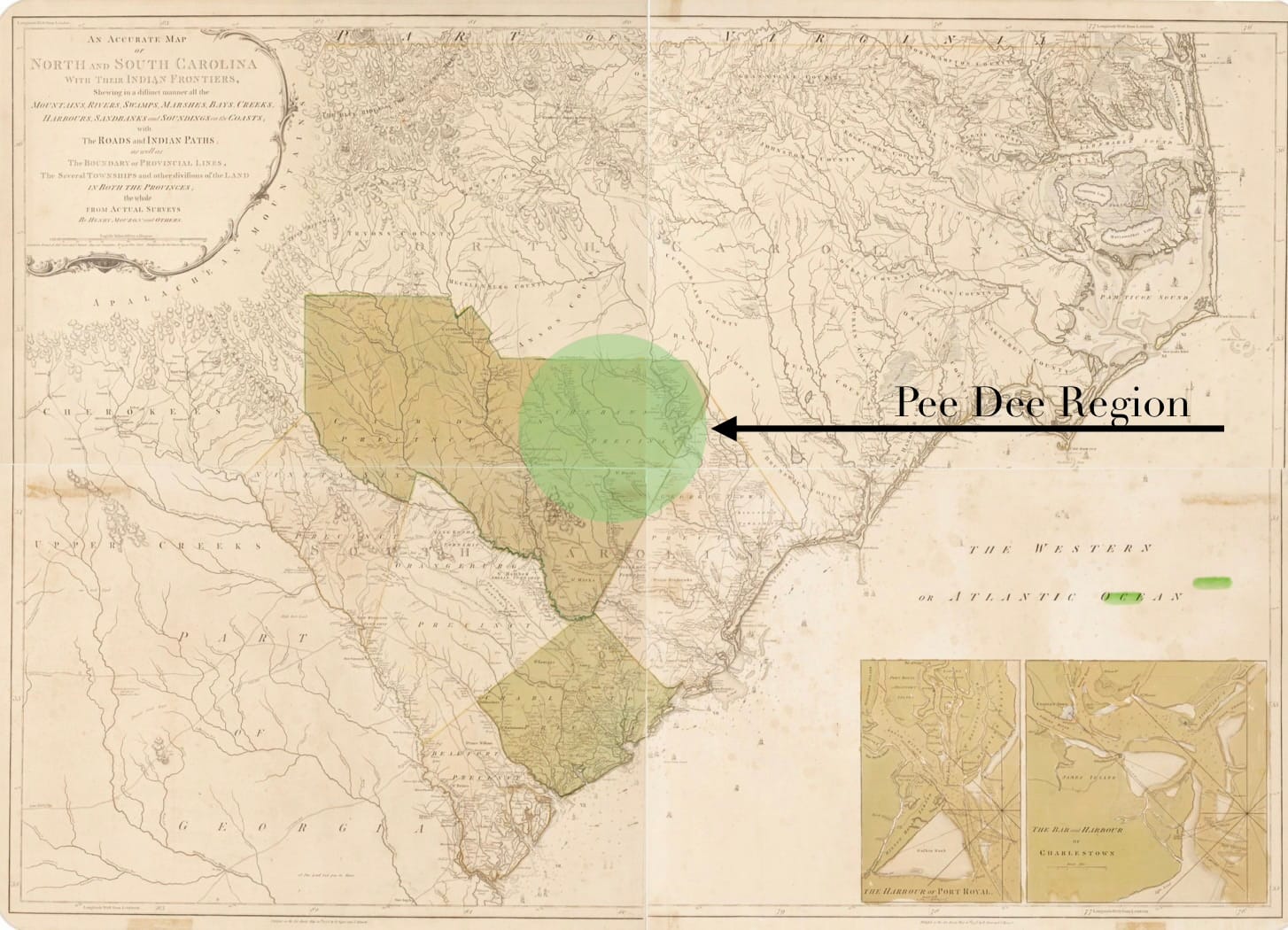
The Cox family arrived in the American colonies in New Jersey in the 1740s but later relocated to the Welsh Tract of South Carolina. This was a large settlement of Welsh Baptists who established communities along the Pee Dee River in what became today’s Marlboro County. Many Coxes (the spelling shifted from Coxe to Cox in the early 19th century) were Baptist preachers and farmers who put down deep roots in the region long before the Revolutionary War.
On the Fourth of July sometime in the 1840s, neighbors in Marlboro County honored an old Revolutionary War veteran with the place of honor at a community barbecue. He was William Cox, son of Emanuel Cox. After the celebration he mounted his horse and rode toward home. Crossing the same mill-dam where, decades earlier during the war, a Tory neighbor had tried to take his life — and where William had captured the Tory — his horse took fright. He fell. A few days later he was gone.
William Cox had lived to see most of his comrades pass. He had been one of those “sons of liberty” whose service was more continuous than many. When the war ended he became a quiet, respected citizen along Muddy Creek — twice married, father of twenty children, and a man who loved the peace he had helped win. Two of his sons and nine grandsons later served in Confederate companies raised in Marlboro; a son-in-law, Jeremiah Coxe, a grandson of the venerable Samuel, went into the 1835 Seminole War and, according to local history, died in service in the savannas of Florida. That conflict was launched under President Andrew Jackson’s Indian Removal policies and saw early major operations directed by Maj. Gen. Winfield Scott.
His father, Emanuel Cox (born 1723 in Wales, died 1799 in Marlboro County, S.C.), had settled there long before the Revolution.
In 1765, King George III granted my 5th-generation great-grandfather Emanuel Cox 150 acres of land on the northeast side of the Pee Dee River in what was then Craven County, South Carolina (later part of Marlboro County). The grant, dated April 25, 1765, was issued under the authority of Lieutenant Governor William Bull and confirmed Emanuel Cox’s early presence and landownership in the Welsh Tract region along the Pee Dee well before the Revolutionary War.
When war came, Emanuel and several of his sons enrolled on the side of liberty. A 1908 list compiled by the Marlboro County DAR Chapter confirms multiple Cox patriots from the county, including Emanuel Cox, James Cox, Josiah Cox, Samuel Cox, William Cox, and John Cox (Sergeant).
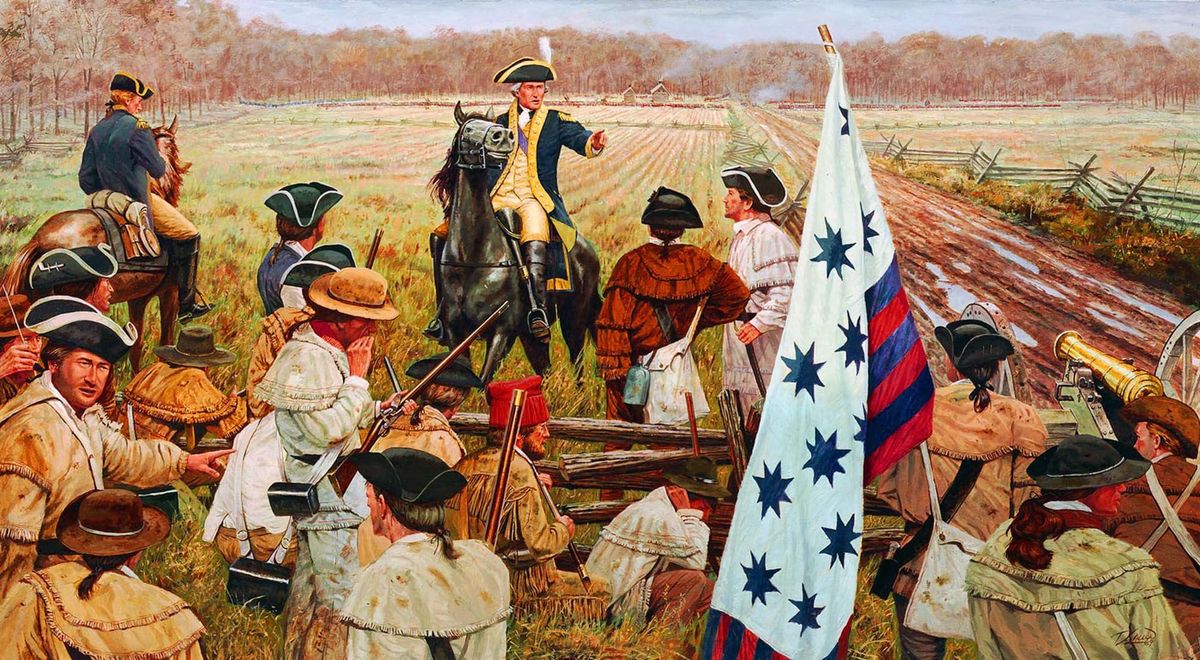
Emanuel Cox and his sons — Samuel, John, Josiah, Jesse, Benjamin — fought in the Cheraws District Regiment under Brig. Gen. Francis Marion, the “Swamp Fox.”
The McNatt family were close friends and neighbors of the Coxes in the Pee Dee region. Members of both families served together under Marion in the same campaigns. A McNatt later married Ezekiel Cox, so other of my ancestors also served under Marion in the McNatt lineage.
After independence, Ezekiel Cox (born to Emanuel and Mercy Brown on 10 March 1784) married Mary McNutt (McNatt) in 1803 and came to Kentucky around 1809 (his older brother Jesse had gone a few years earlier). In Trigg County and the surrounding area the Cox and McNatt lines remained closely intertwined through friendship, marriage, and shared pioneer life.
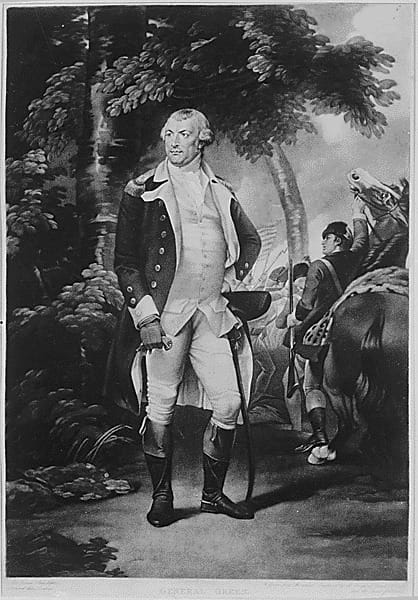
Nathanael Greene (1742–1786) occupies a unique and central place in our family history. He is both traditionally considered a direct ancestor and one of the most important figures in the Revolutionary War story of our Cox and McNatt lines. Note that many relevant records were later destroyed, so this connection has not been proven genealogically.
Born in Rhode Island, Greene rose from militia private to become George Washington’s most trusted field commander. Washington relied on him for battlefield leadership, strategic counsel, and reorganizing the army’s supply system as Quartermaster General. Many historians rank him second only to Washington among Continental Army generals.
After the disastrous American defeat at Camden in 1780, Washington appointed Greene commander of the Southern Department. Greene inherited a shattered army but developed a brilliant strategy of maneuver warfare and coordination with partisan militia leaders. Rather than seeking one decisive battle, he forced the British to fight costly engagements while their supply lines were constantly harassed.
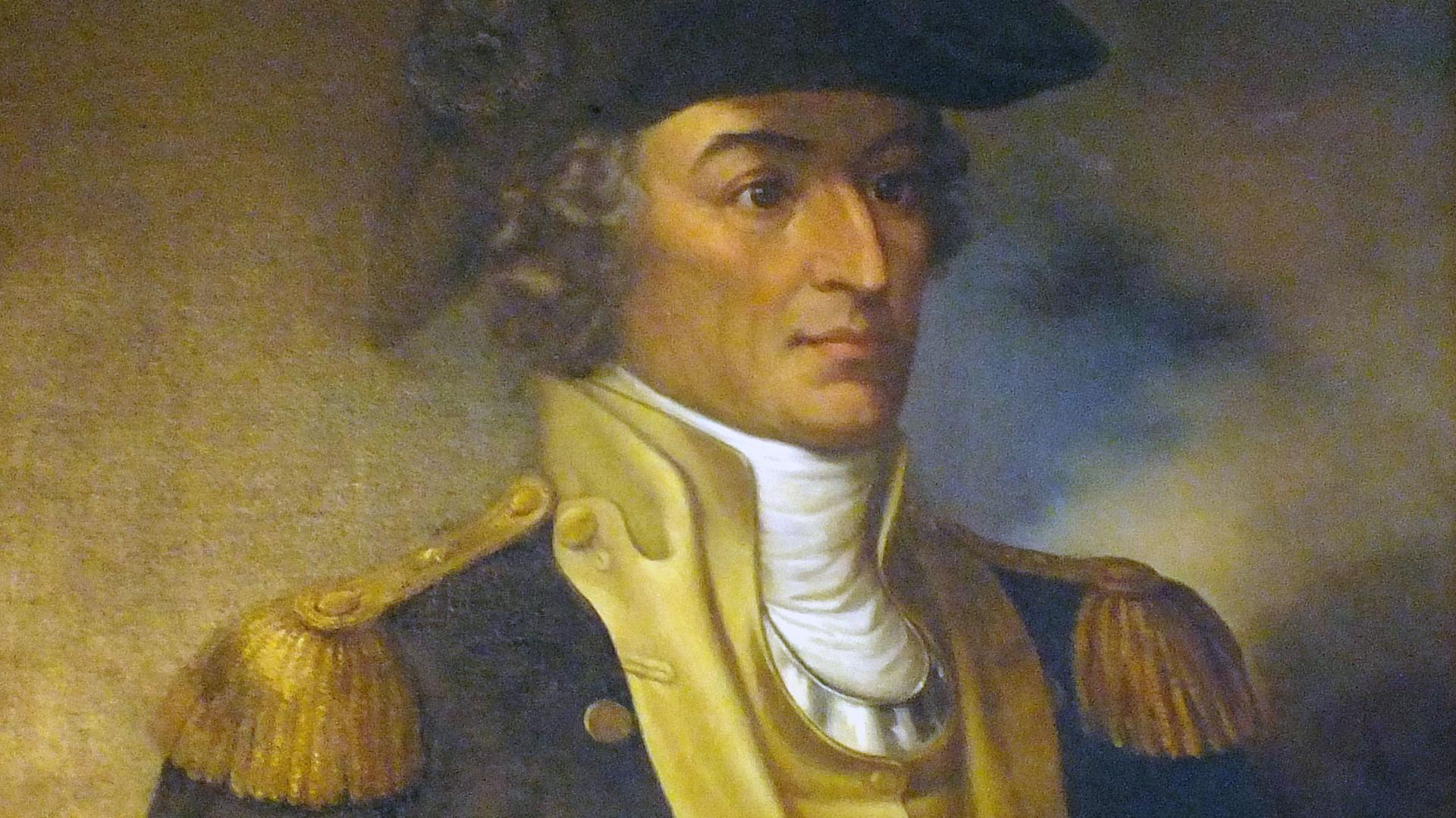
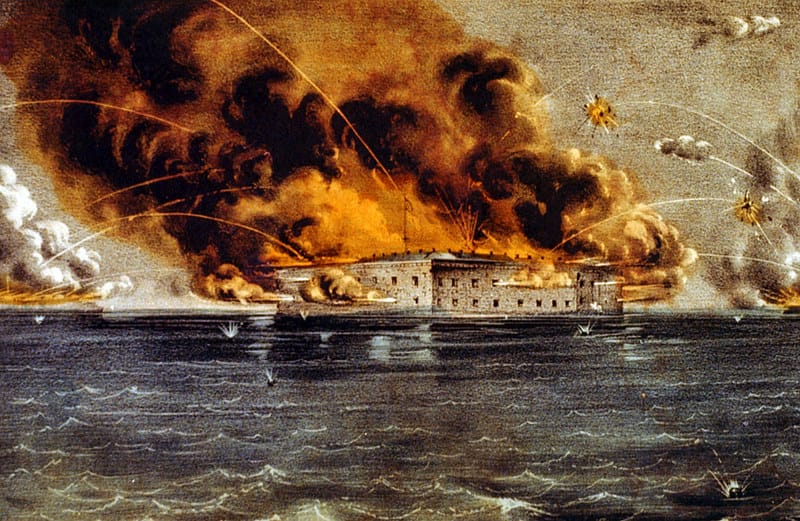
Greene worked closely with several legendary commanders whose operations were essential to his success. Francis Marion, the “Swamp Fox,” led highly mobile partisan forces that ambushed British patrols, destroyed supply convoys, and tied down thousands of enemy troops. His style of warfare continues to inspire modern special operations forces. Thomas Sumter, the “Carolina Gamecock,” struck British outposts and Loyalist forces across the South Carolina backcountry. Fort Sumter in Charleston Harbor, where the Civil War began in 1861, was named in his honor.
Through another branch of the family, our documented SAR lineage descends from Mackey McNutt, who served with Emanuel Cox in Francis Marion’s Brigade in South Carolina. This means one ancestral line descends directly from Nathanael Greene, while another fought in the partisan forces that operated under his overall command during the Southern Campaign.
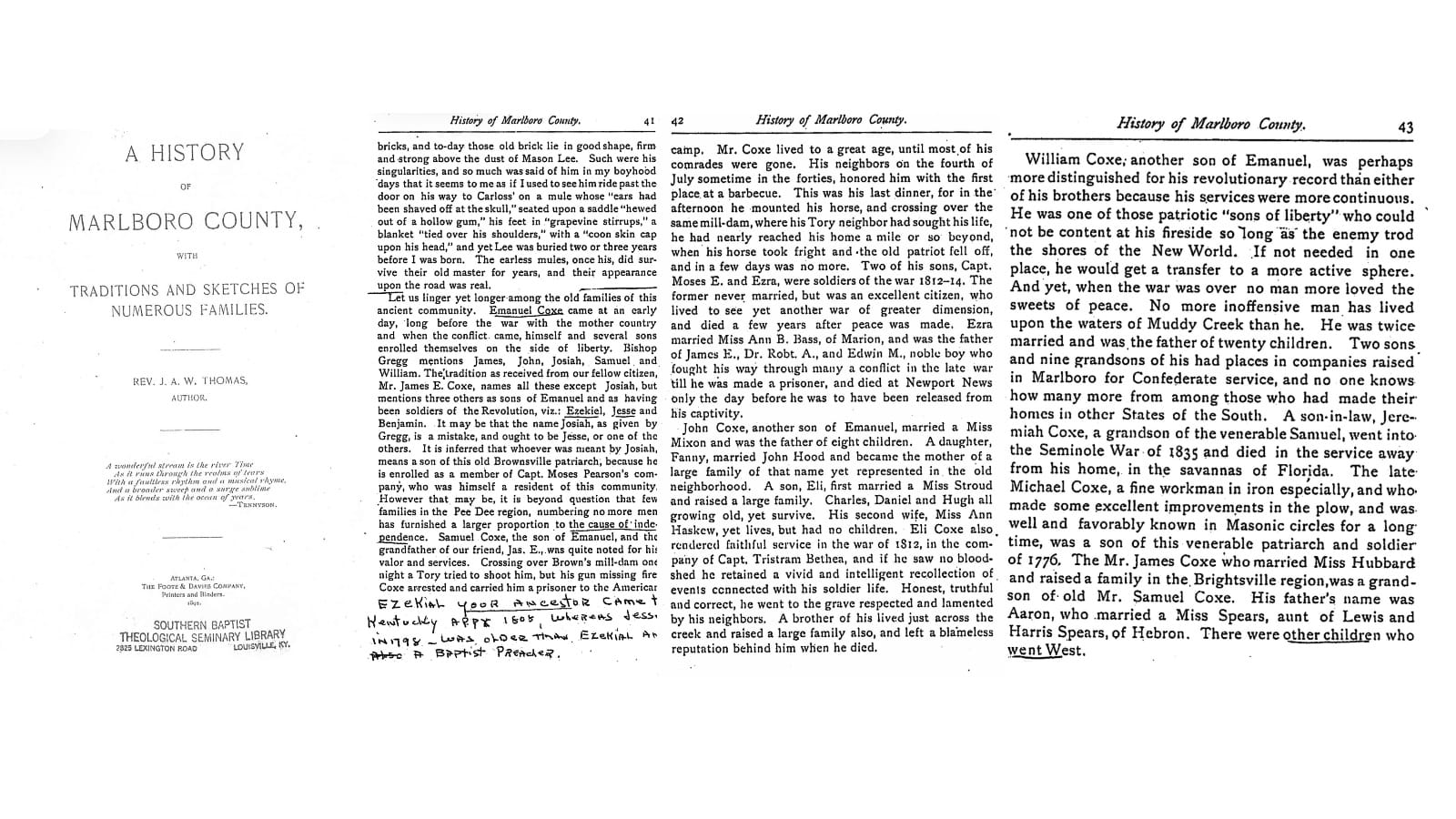
My Cox ancestors — Emanuel Cox, and his kin — were living in the South Carolina theater during and immediately after Greene’s campaign before the family migrated west into Kentucky. Few family histories combine all three of these threads: direct descent from Nathanael Greene, Revolutionary War service under Francis Marion, and residence in the very region transformed by Greene’s brilliant Southern Campaign.
The Cox and Greene lines later united when Eliza Greene Biggs (born 16 June 1822, daughter of David and Mary Biggs) married Emanuel Cox (son of Ezekiel) on 22 June 1837 in Calloway County, Kentucky. Eliza’s family traced its roots to the Poole family, early settlers of the Jamestown colony in 1619.
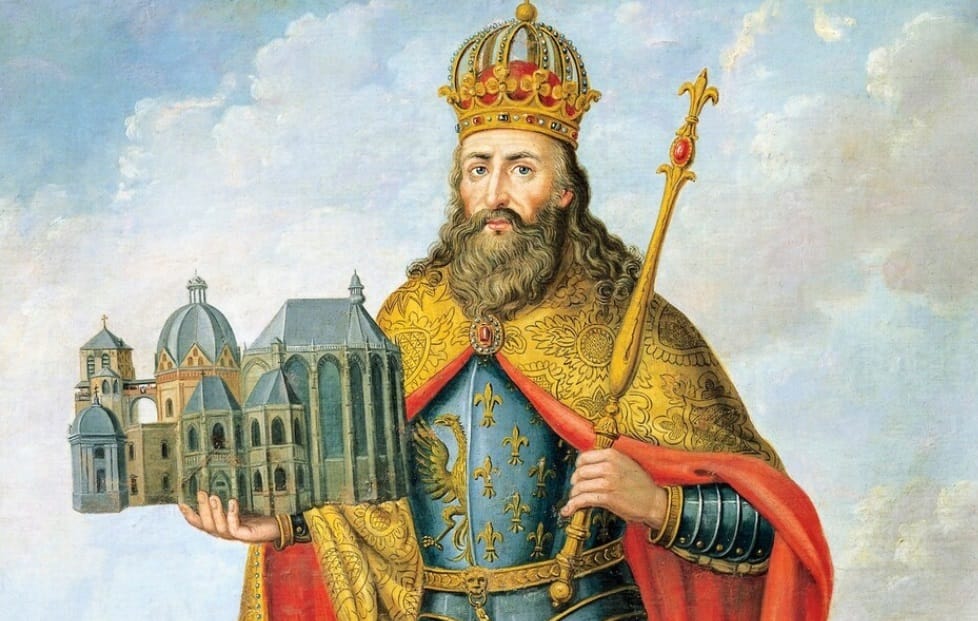
The Poole line connects to the Plantagenet royal family of England. Because royal bloodlines were meticulously documented, the Plantagenets became linked through marriage to many other European royal houses. These lines reach back to Charlemagne (Holy Roman Emperor, d. 814) and earlier Frankish nobility. Among the most famous Plantagenet figures were Henry II, his queen Eleanor of Aquitaine, their son Richard the Lionheart, and King John.
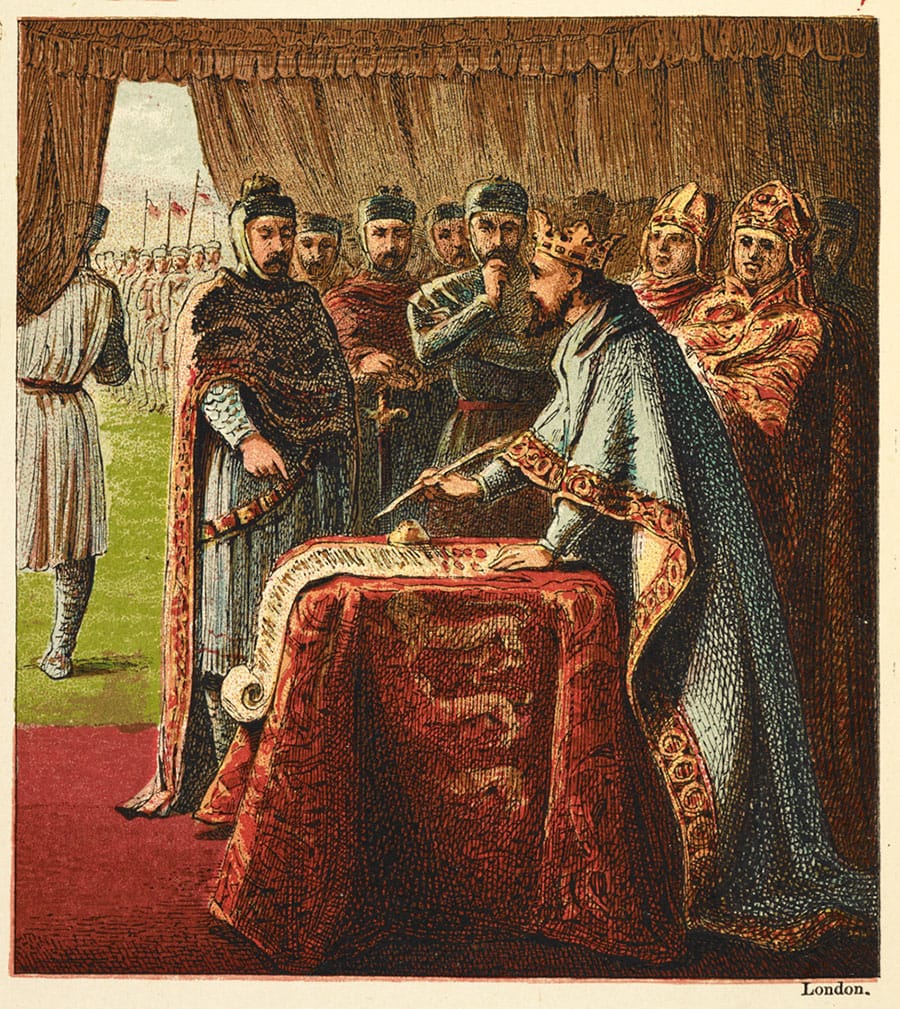
In 1215, my ancestor King John was forced to seal the Magna Carta — the foundational charter establishing that even the king is subject to the law. That document remains the bedrock of both British constitutional law and American concepts of liberty and due process to this day.
Later generations of the Cox, McNatt, Biggs, and allied families continued the tradition of service. They fought in the War of 1812, the Seminole Wars, the Civil War, World War I, World War II, and beyond.
This Independence Day, as families gather for barbecues and fireworks, I remember my forebears. From the swamps and mill-dams of South Carolina under Marion and Greene — where Cox and McNatt men served side by side — through the McNatt marriage, the Greene-Biggs union, and the ancient Poole/Plantagenet roots on the Kentucky frontier, these families lived the meaning of 1776.
William Cox’s capture of the Tory at the mill-dam and his final ride after that July 4 barbecue, along with Emanuel Cox’s service under the Swamp Fox, are part of the same enduring story — ordinary men and women, bound by friendship and blood, who helped secure extraordinary freedom.
On this 4th of July we thank them.
— Robert Andrew Cox, 5th great-grandson of Revolutionary War patriot Emanuel Coxe (1723–1799)