
The Films That Endure — Best Picture Winners Over the Years

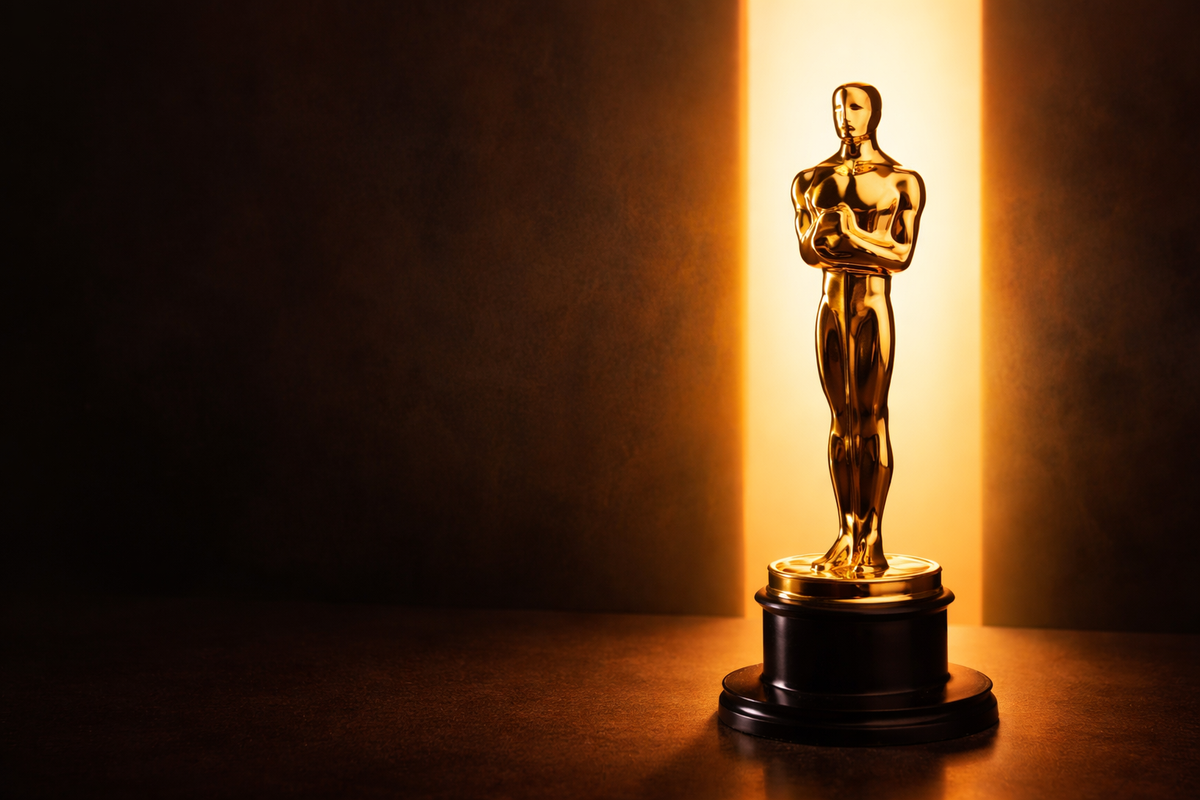
DUBLIN, IRELAND (March 22, 2026) — I watch a lot of movies.
What I don’t do is watch the Academy Awards.
The show runs late here in Dublin, it goes on for hours, and I’m not even entirely sure how reliably it airs without resorting to a VPN. So I don’t bother. Like most people, I catch the highlights the next morning — acceptance speeches, a few clips, the winners scrolling past on social media.
This year, that got me thinking.
Not so much about who won, but about something simpler: the films that endure.
Looking back over films that are still talked about today, I began going through them.
A pattern emerged.
What follows is not a definitive list of my favorite films, but a selection of films that have proven to be enduring and are still remembered by audiences today.
1941: The Film Often Called the Greatest Ever Made
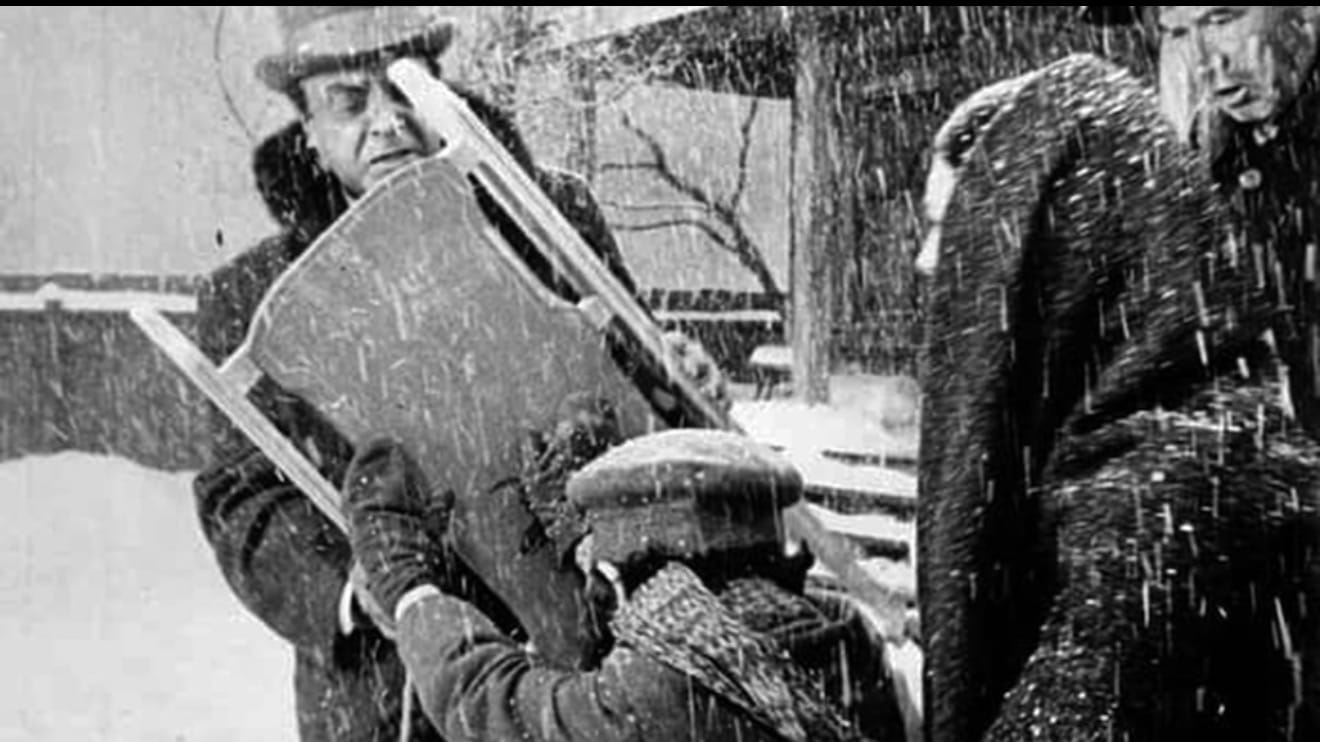
Orson Welles’ Citizen Kane is routinely cited as the greatest film ever made — a breakthrough in narrative structure, cinematography and modern storytelling.
1976: A Defining Vision of Urban America
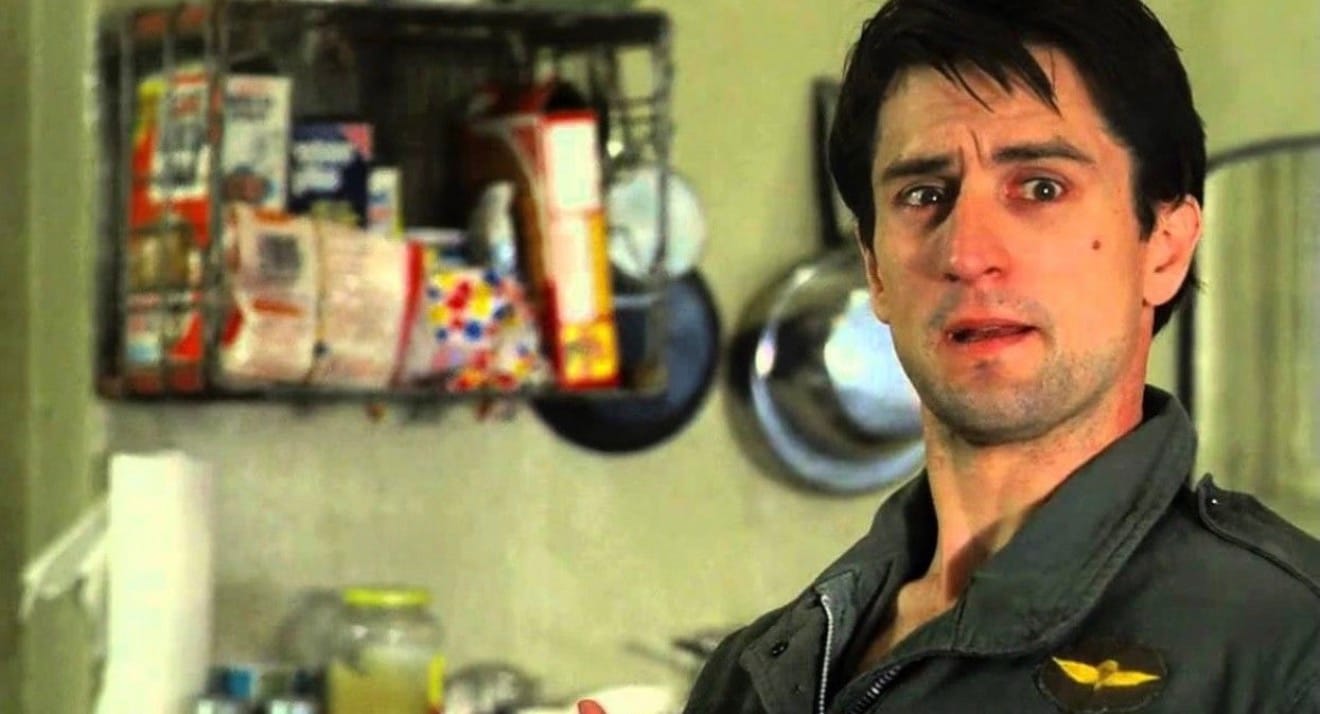
Martin Scorsese’s Taxi Driver remains one of the most studied and unsettling portraits of alienation ever put to film.
Its cultural impact was immediate and enduring.
1979: War, Madness and Cinematic Scale
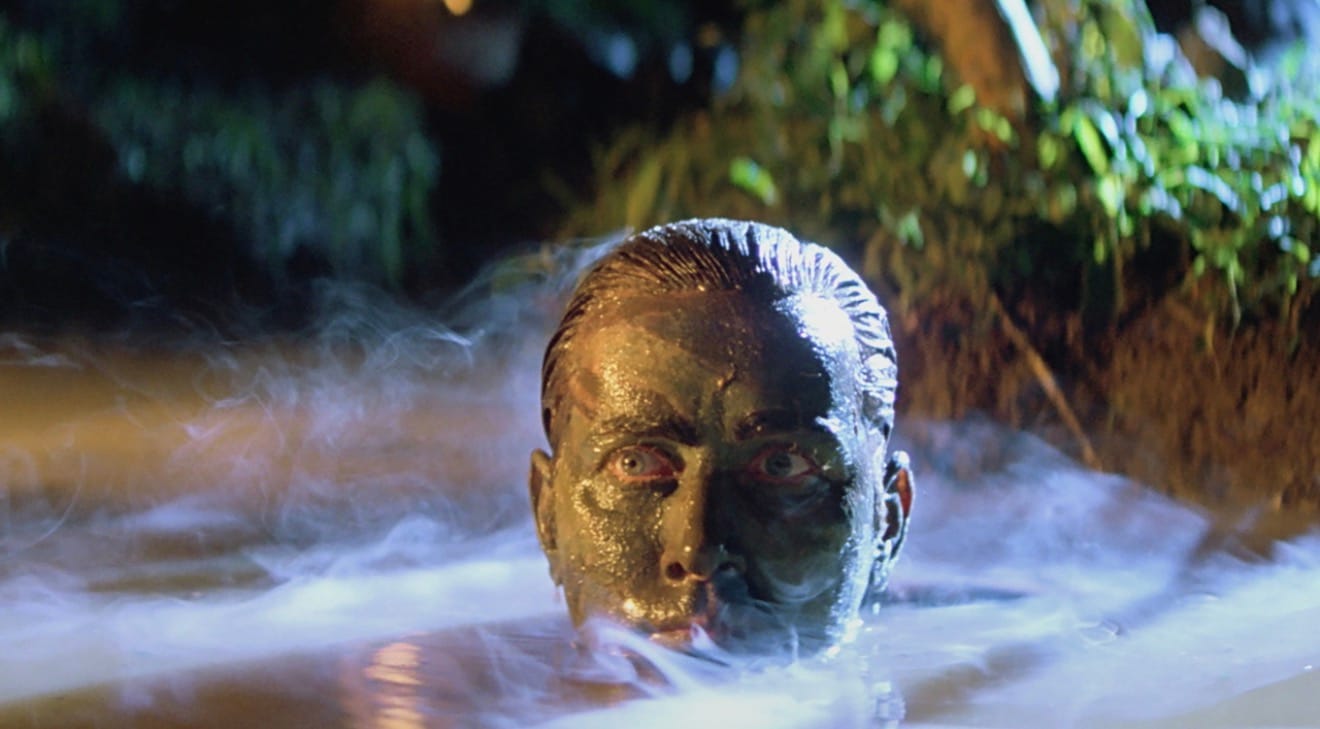
Francis Ford Coppola’s Apocalypse Now redefined what war films — and perhaps cinema itself — could be: operatic, surreal and psychologically devastating.
1990: A Masterpiece of American Crime Cinema
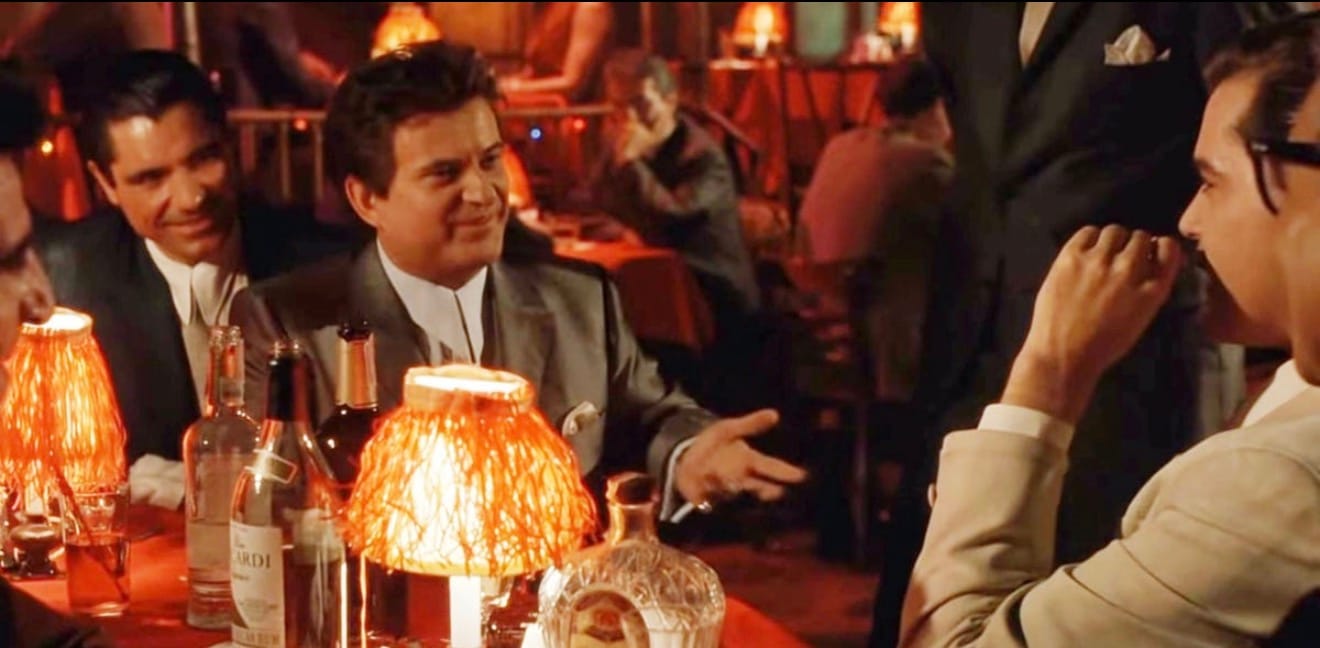
With Goodfellas, Martin Scorsese delivered a kinetic, immersive portrait of organized crime that continues to define the genre decades later.
1994: A Film That Changed Independent Cinema Forever
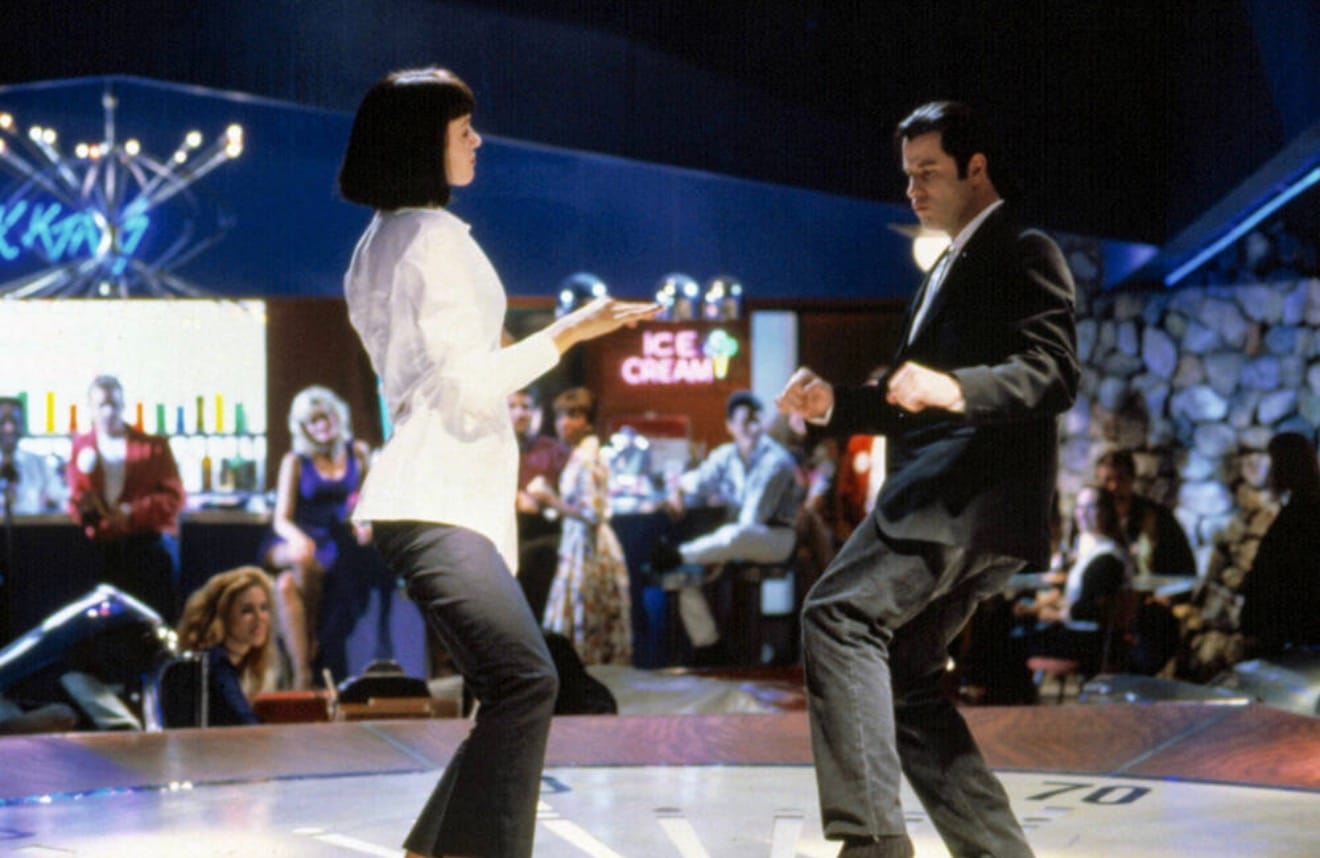
Quentin Tarantino’s Pulp Fiction shattered narrative conventions and redefined dialogue in modern film.
Its influence remains visible across generations.
1998: War as It Had Never Been Seen Before
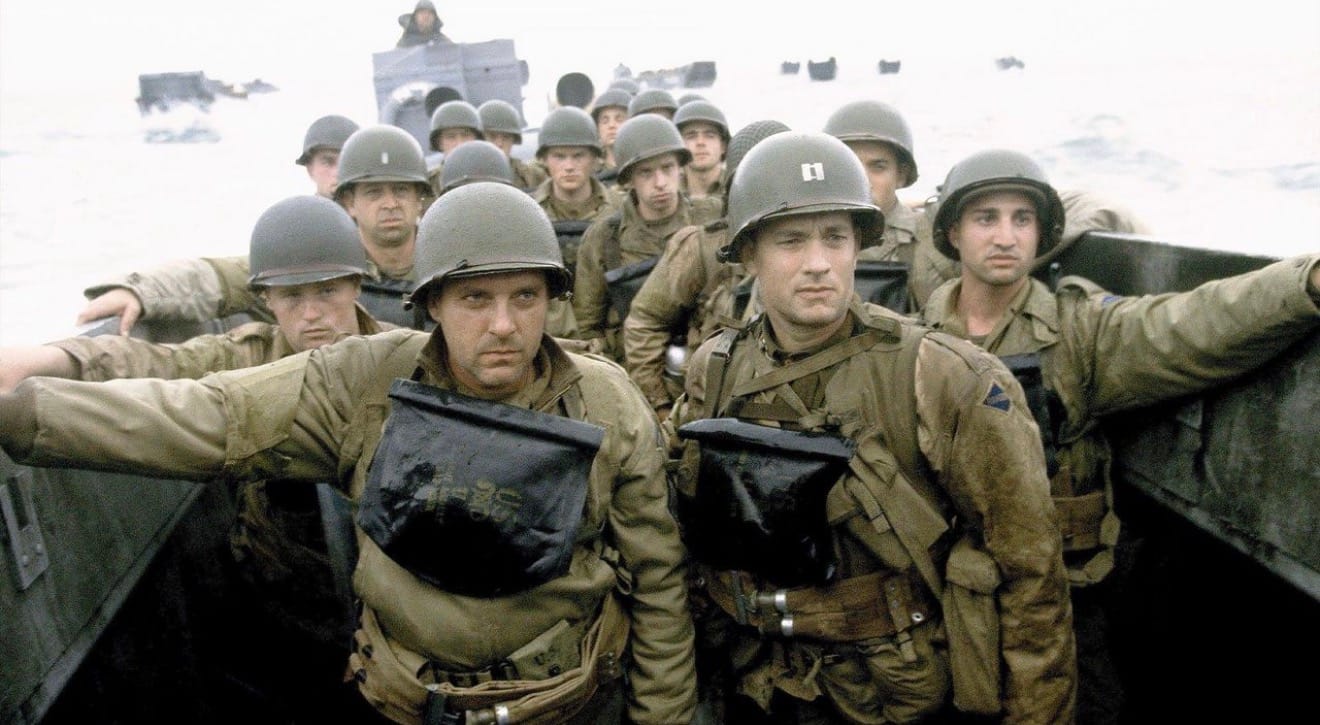
Steven Spielberg’s Saving Private Ryan transformed the depiction of war on screen, particularly in its harrowing opening sequence.
It set a new standard for realism and intensity.
2001: A Film That Redefined Fantasy Cinema
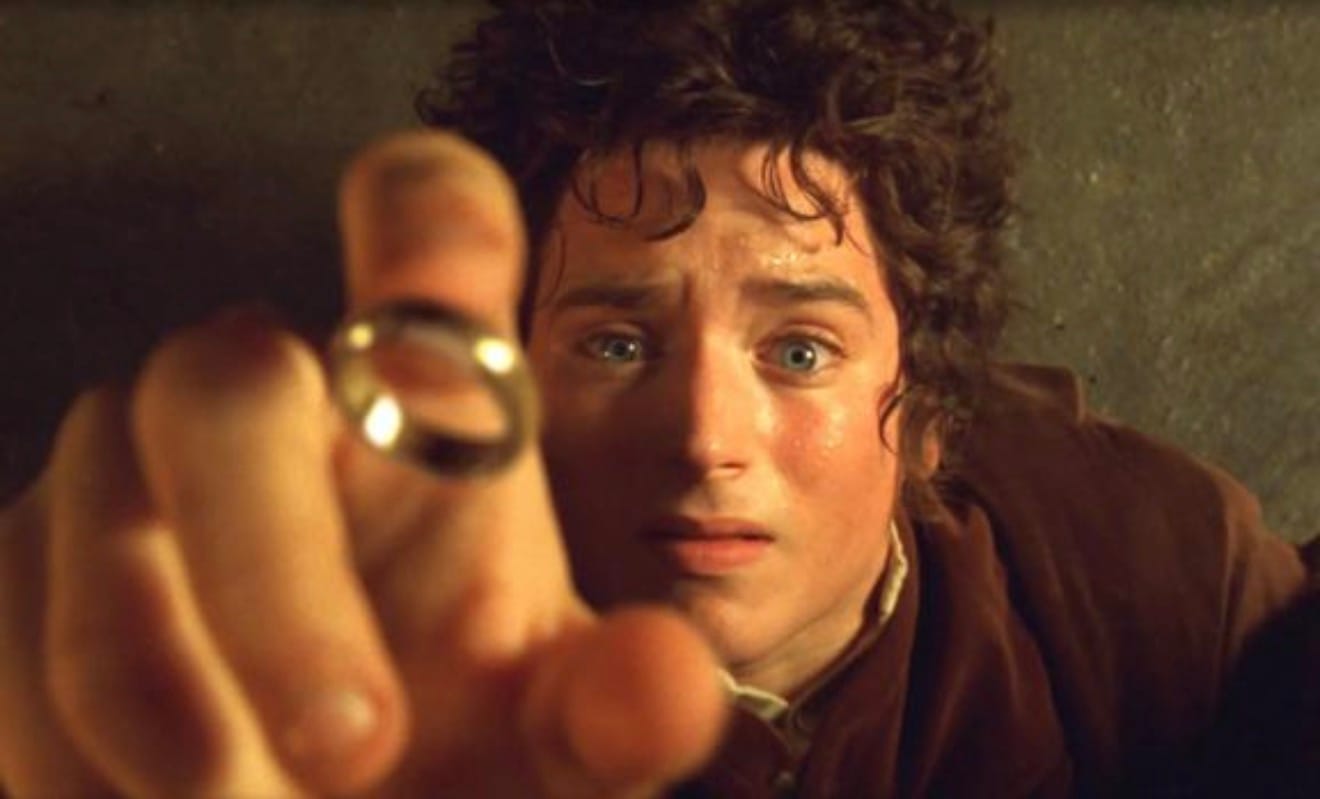
Peter Jackson’s The Lord of the Rings: The Fellowship of the Ring transformed what blockbuster filmmaking could achieve — combining technical innovation, world-building and emotional storytelling on an unprecedented scale.
It laid the foundation for one of the most celebrated trilogies in cinema history.
2005: A Landmark in American Storytelling
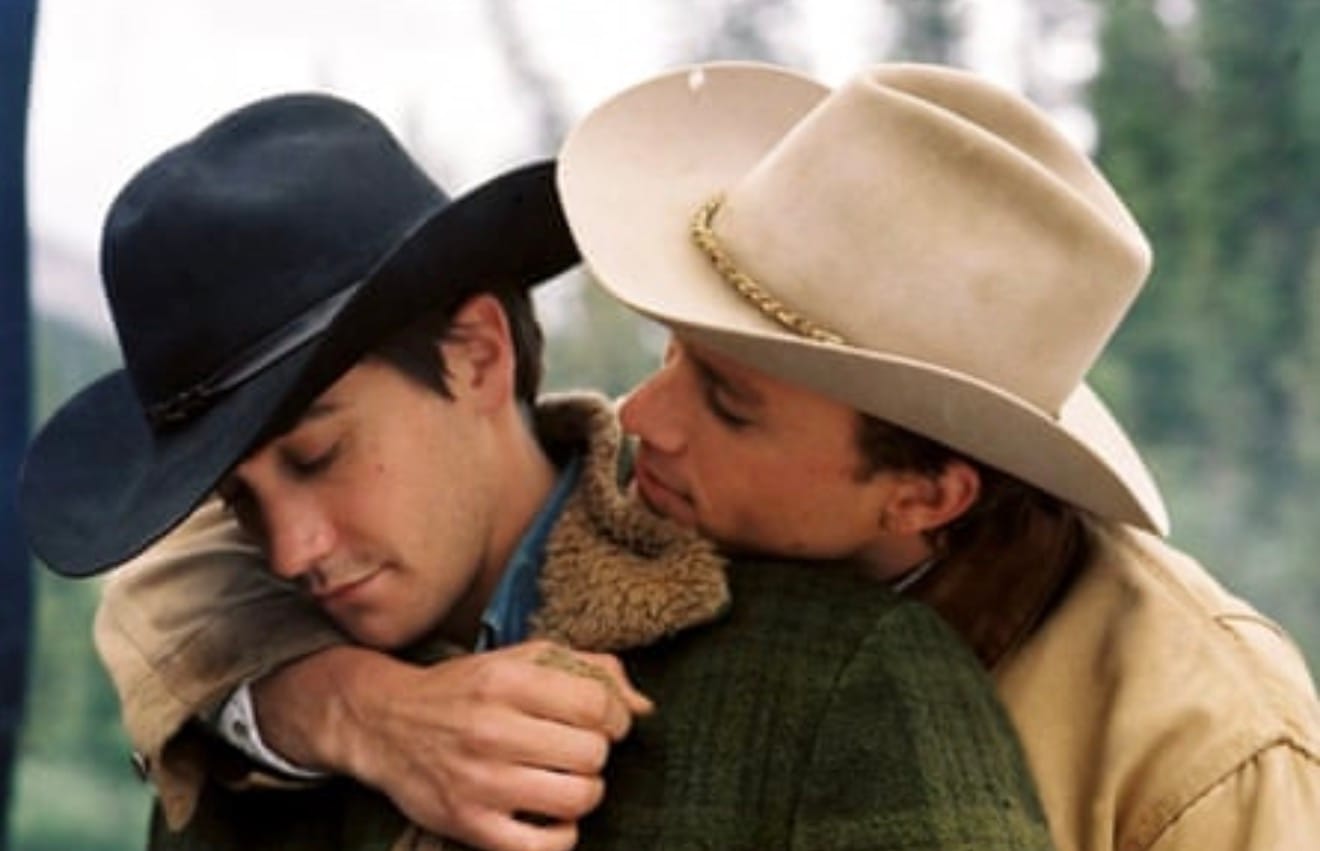
Ang Lee’s Brokeback Mountain is now widely regarded as one of the most important and emotionally resonant films of its era.
Its legacy has only grown with time.
2010: The Birth of the Modern Tech Drama
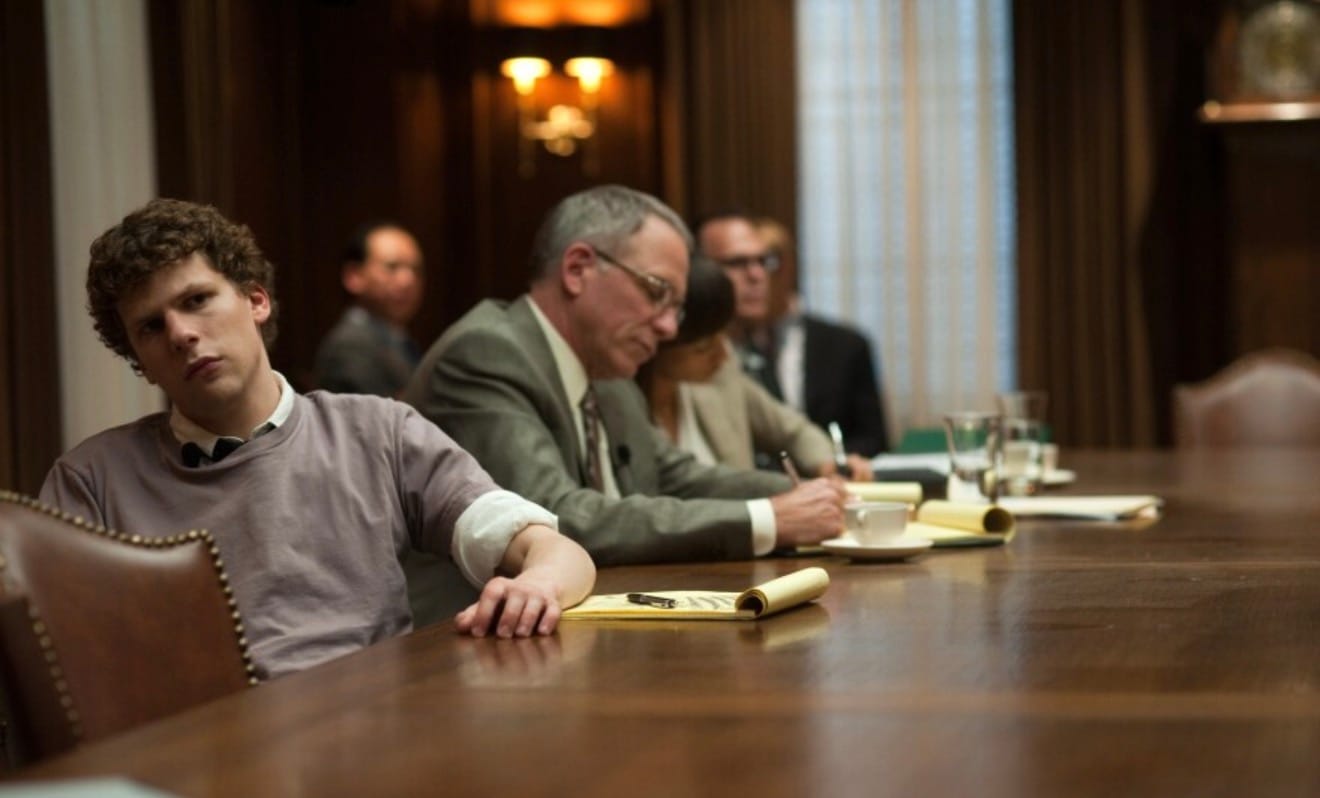
David Fincher’s The Social Network captured the origins of the digital age with precision, energy and a defining screenplay.
It has since become a touchstone of modern filmmaking.
2014: A Relentless Study of Obsession
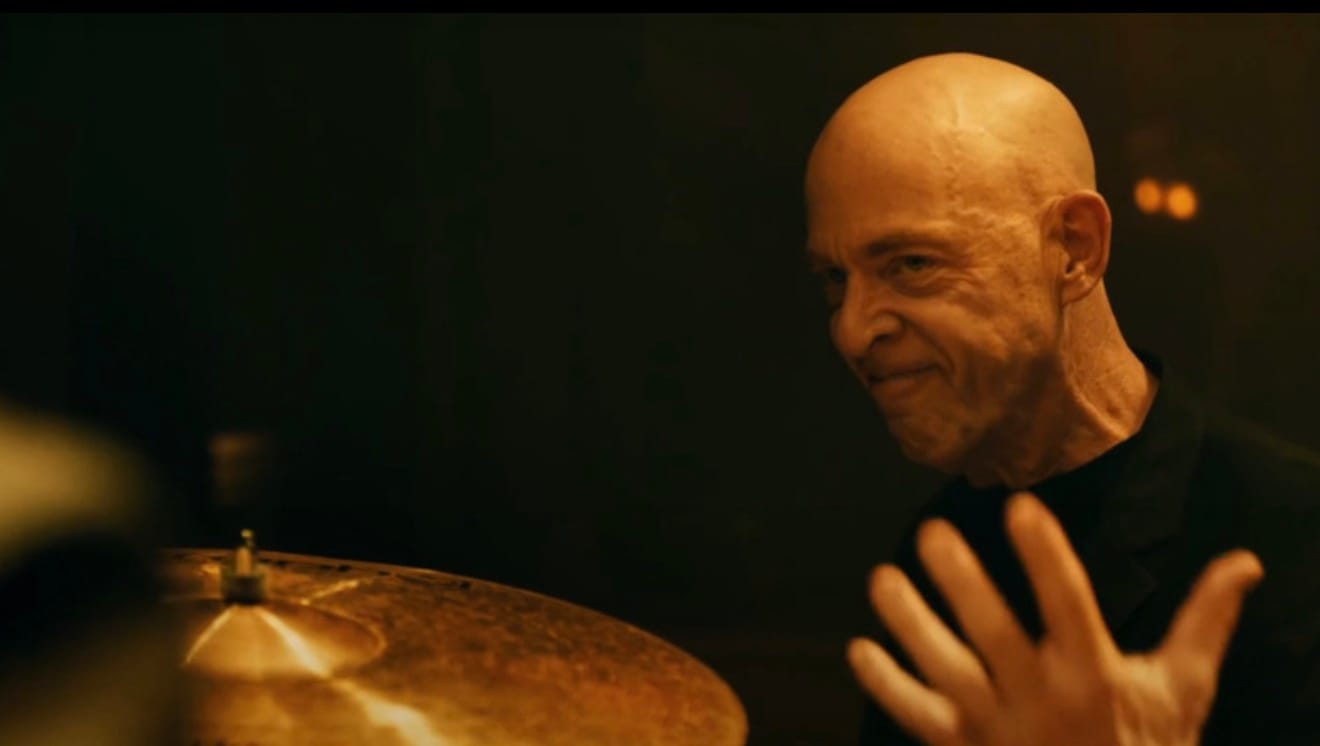
Damien Chazelle’s Whiplash is a tightly wound, electrifying study of ambition, discipline and psychological pressure.
Its intensity and performances have made it a modern classic.
The Record
Looking back at those years, the alignment between what endures and what was recognized can seem, at first glance, almost inevitable.
The historical record tells a different story.
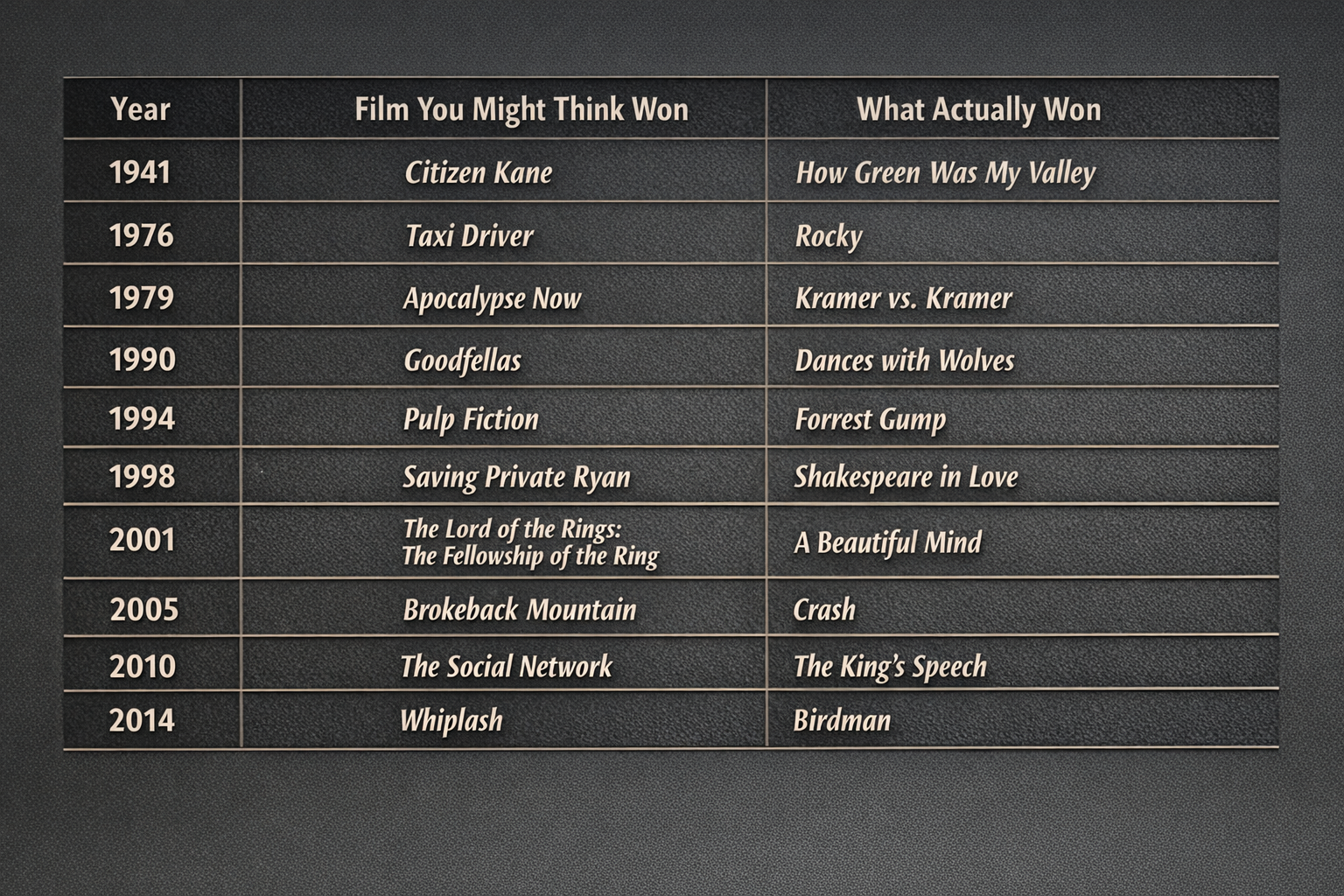
Looking down the list, the pattern becomes hard to ignore. In 1941, Citizen Kane lost to How Green Was My Valley. In 1976, Taxi Driver lost to Rocky. In 1979, Apocalypse Now lost to Kramer vs. Kramer. In 1990, Goodfellas lost to Dances with Wolves. In 1994, Pulp Fiction lost to Forrest Gump. In 1998, Saving Private Ryan lost to Shakespeare in Love. In 2001, The Lord of the Rings: The Fellowship of the Ring lost to A Beautiful Mind. In 2005, Brokeback Mountain lost to Crash. In 2010, The Social Network lost to The King’s Speech. And in 2014, Whiplash lost to Birdman.
The Verdict
The Academy Awards remain one of the most visible and influential institutions in film.
But they are not a definitive measure of greatness.
They are a record of what a particular voting body — at a particular moment — chose to reward.
Time, audiences and history tend to render their own verdicts.
And those verdicts do not always align.
You can probably name a few films that belong on this list — and a few that don’t.
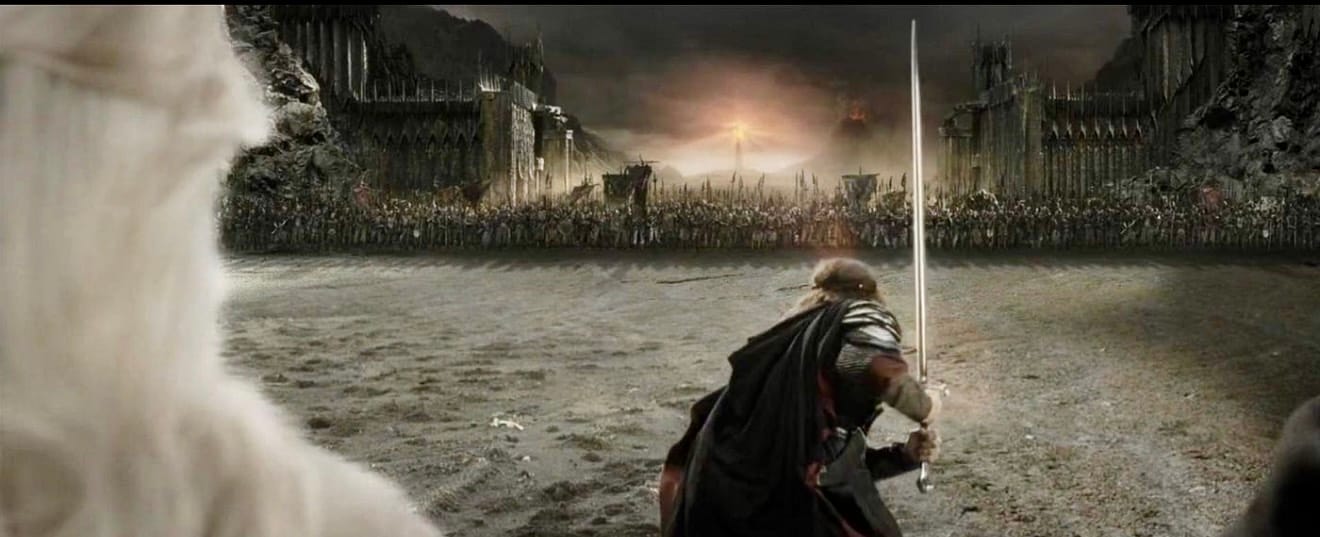
NOTE: The Academy would later recognize the LOTR trilogy’s achievement with Best Picture for The Lord of the Rings: The Return of the King.
This article was prepared with the assistance of AI tools under the direction and editing of Robert Cox.