Robert Cox
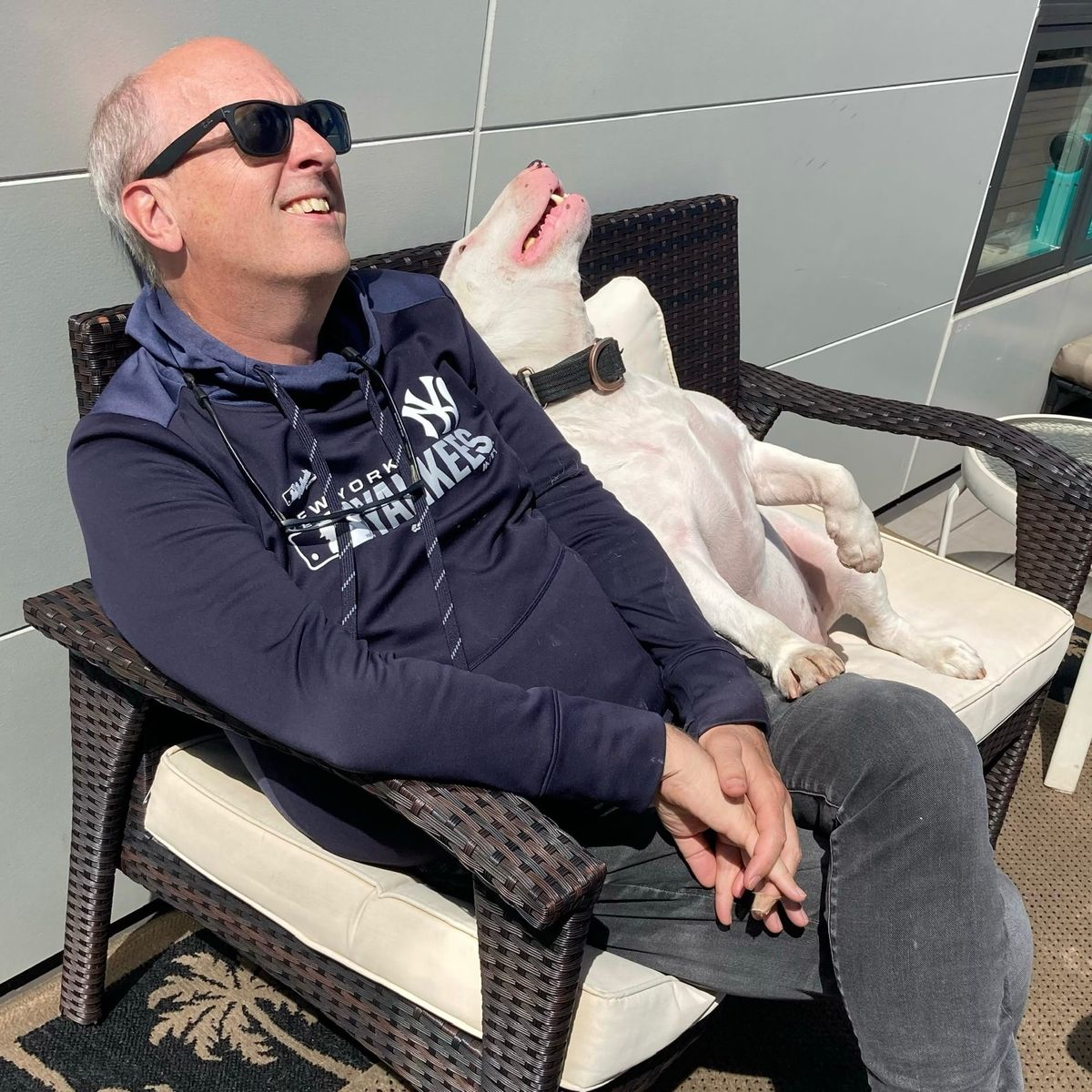
Robert Cox is an investigative journalist and independent publisher. He publishes Talk of the Sound, a news outlet covering New Rochelle and the Sound Shore communities of Westchester County, New York, and writes news analysis, commentary, opinion and personal stories at Words in Edgewise.
A dual U.S.-Irish citizen, Cox lived in New York for several decades before relocating with his wife and English bull terrier to Dublin, Ireland, on July 4, 2023. He continues to report extensively on government, politics, education, public integrity and the courts in New York.
Last updated: August 31, 2026
From Blogging to Media Advocacy
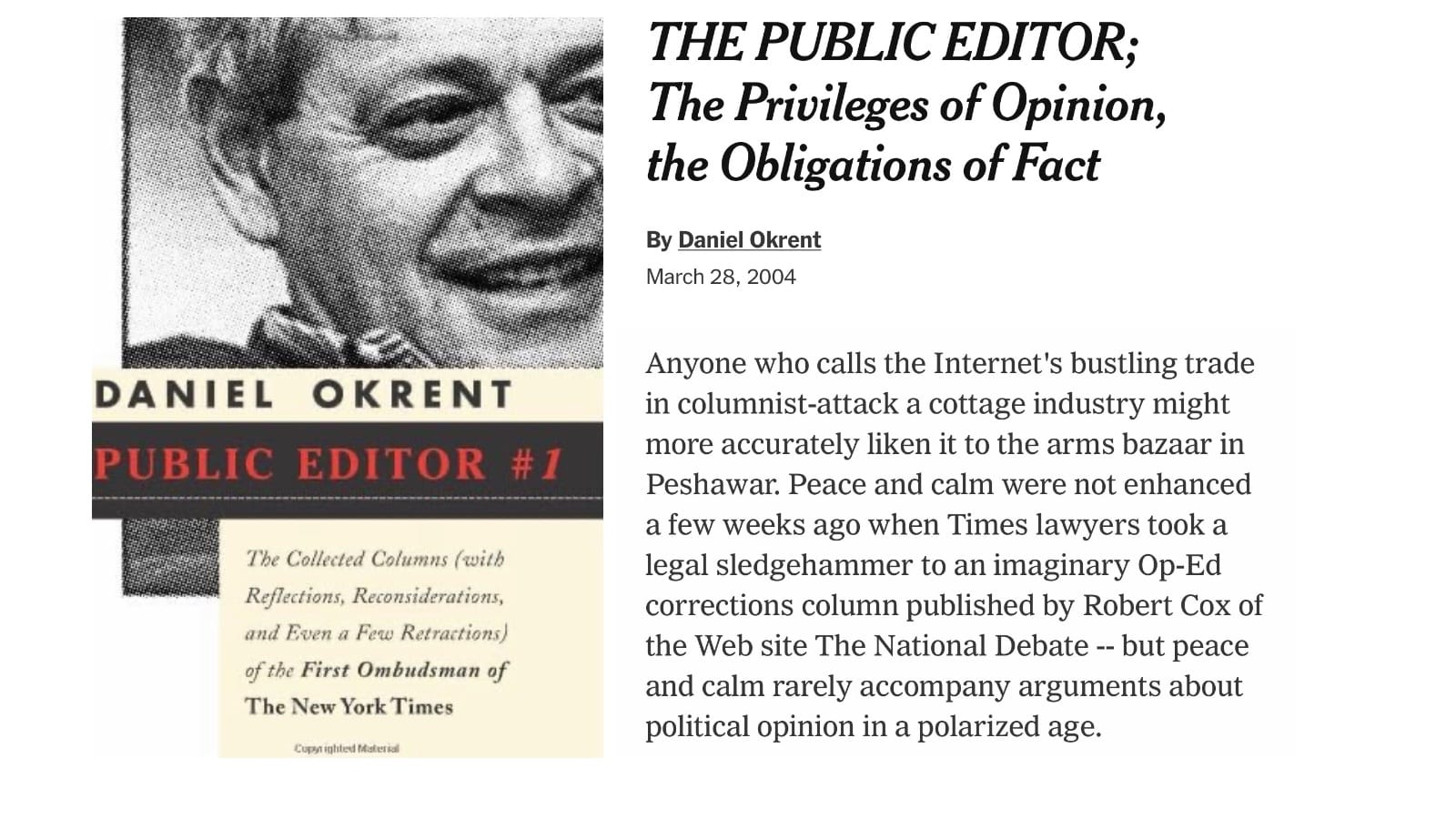
Cox began blogging in 2002 while working in marketing and business development for technology companies. His emergence as a national advocate for independent online publishers followed a dispute with The New York Times after he created a satirical version of a Times corrections page focused on opinion columnists including Maureen Dowd and Thomas Friedman.
The Times took legal action and succeeded in having the website shut down. Cox challenged the action, and the David-and-Goliath nature of the dispute attracted national attention. Times Public Editor Daniel Okrent later described the newspaper’s lawyers as taking a “legal sledgehammer” to Cox’s satirical corrections page. The Times withdrew its legal threat, the site returned, and Okrent subsequently announced that the newspaper was changing its corrections policy for opinion columnists.
The experience demonstrated both the promise and vulnerability of independent online publishing. New technology gave almost anyone the ability to publish, but independent writers generally lacked the lawyers, insurance, training and institutional support available to established news organizations.
The idea for what became the Media Bloggers Association emerged from conversations at a conference at Harvard Law School. Cox assembled roughly two dozen prominent early bloggers as founding members and publicly launched the organization at BloggerCon III at Stanford University in November 2004.
The Media Bloggers Association was a nonpartisan organization created to promote, protect and educate independent online publishers and to extend the rights - and responsibilities - of the press to people publishing outside traditional media institutions.
As its president, Cox became a national advocate for citizen journalism and a frequently consulted voice on emerging questions involving blogging, journalism ethics and media law. He helped develop one of the country’s earliest ethics codes for bloggers, conceived not as an enforceable set of editorial rules but as an aspirational statement of professional conduct.
The distinction was fundamental to the organization’s mission. The MBA did not tell members what they could investigate, believe or publish. Instead, members using opportunities arranged by the association agreed to conduct themselves professionally and accept a measure of accountability to the organization providing their access.
Cox worked with the Electronic Frontier Foundation, Harvard Law School’s Citizen Media Law Project, the Reporters Committee for Freedom of the Press, the Freedom Forum, the First Amendment Center, law firms and other organizations to provide legal assistance and resources to independent publishers involved in disputes across the United States.
By 2008, Cox had developed a formal MBA Legal Program to screen requests, document legal threats and connect independent publishers with media-law organizations and participating attorneys. The program’s records reflect assistance involving at least 17 defamation, shield-law, copyright, hosting and other media-law matters.
He also worked with AXIS/MediaPro Insurance to develop the first media-liability insurance program designed for bloggers and other citizen journalists. Cox conceived an online media-law training program for independent publishers, working with Harvard Law School, the Poynter Institute and its News University. He later joined a group assembled by Poynter to develop ethical guidelines for online journalism.
Building a Bridge Between Bloggers and Institutions
As blogging grew, courts, political campaigns, corporations, professional sports organizations and news institutions wanted to include independent online journalists but lacked a practical way to evaluate and manage potentially overwhelming numbers of applicants. Cox recognized that these institutions needed neither control over what bloggers published nor an indiscriminate open door. They needed a credible point of contact.
The Media Bloggers Association became that intermediary. Organizations could allocate credentials to the MBA, which received and evaluated applications, confirmed membership, explained standards of conduct and administered access. The individual journalist remained free to report and comment independently, but the credential belonged to the association. If someone behaved unprofessionally, the MBA could withdraw access to its seat without restricting that person’s right to continue publishing.
This model allowed institutions to work with a rapidly expanding and highly individualistic community of self-published journalists without attempting to control their journalism. It reflected one of Cox’s central arguments: blogging described the publishing technology, not the person using it. A weblog was simply software that made it easy to publish material online, commonly displaying posts in reverse chronological order and incorporating hyperlinks and other web features.
Cox often made the point that a newspaper journalist was not called a “paperer” because of the medium used to distribute the work. In the same way, people engaged in journalism should be evaluated according to their work and conduct, not discounted because they published using blogging software. That distinction became still less meaningful as established media organizations adopted the same technology for their own journalism.
Two principles remained constant throughout Cox’s work: confidential sources had to be protected, and no arrangement could compromise his independence to publish. He regarded both as essential responsibilities assumed by anyone genuinely engaged in journalism, not privileges reserved for institutional media.
Opening Institutions to Independent Journalists
Cox’s work with the federal courts developed through the Justice and Journalism conference series organized by the First Amendment Center with members of the federal judiciary. After organizing BlogNashville in 2005, he was invited back to Nashville to participate in a Justice and Journalism conference. He later participated in a November 2006 conference at the E. Barrett Prettyman U.S. Courthouse in Washington and in the May 2008 Justice and Journalism Conference at the Newseum. During discussions surrounding those conferences, Cox and court officials explored how independent online journalists might be incorporated into federal-court press arrangements.
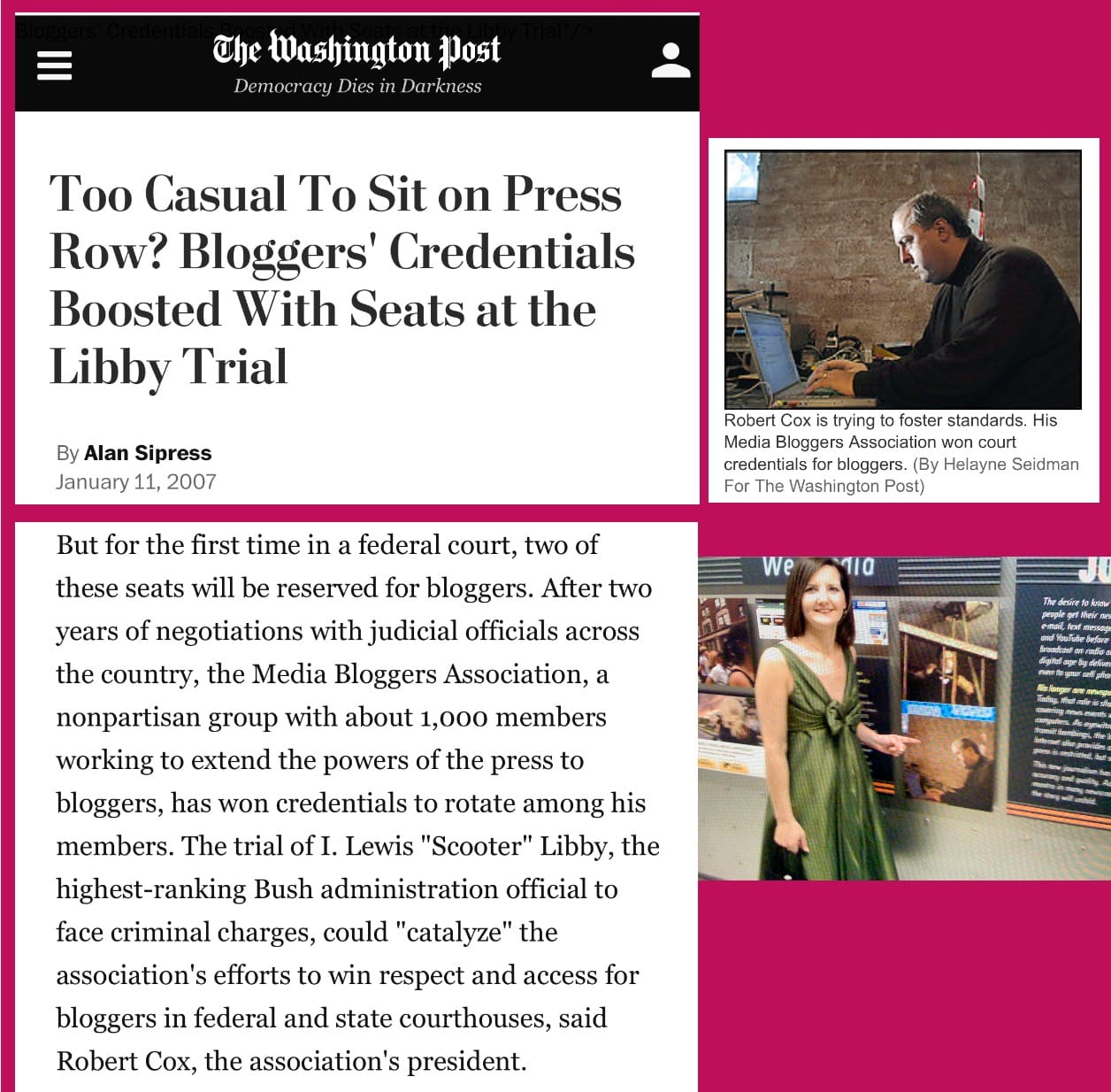
The parties initially considered providing blogger access to the federal prosecution of Zacarias Moussaoui, but the roughly 2,000 media credential requests generated by that case made it unsuitable for a first effort. They ultimately selected the 2007 criminal trial of I. Lewis “Scooter” Libby, former chief of staff to Vice President Dick Cheney.
Cox negotiated two courtroom credentials for the Media Bloggers Association. It was the first blogger organization formally credentialed to cover a federal trial alongside the national press. By early 2007, the association had grown to approximately 1,000 members, according to The Washington Post. To provide broad coverage of the politically charged case, Cox organized a rotating group of bloggers from across the political spectrum, generally pairing one writer from the left with one from the right. Because the trial lasted for weeks and many participants had full-time jobs elsewhere, bloggers typically assumed responsibility for one week at a time.
When no member volunteered to cover jury selection during the opening week, Cox traveled from New York to Washington to ensure that the association used the access it had spent two years securing. By taking the MBA’s seat on the first day, Cox became the first journalist to cover a federal trial under a credential formally issued to a blogger organization. The distinction was not that no person who blogged had ever attended or reported on a federal proceeding, but that the federal court had, for the first time, formally recognized and credentialed a blogger organization as part of the press.
Cox developed and administered the credentialing rotation and aggregated coverage from participants, including writers reporting remotely or outside their assigned courtroom week. He also managed the Media Bloggers Association/Associated Press trial feed. The collected reporting went directly to the AP and appeared through its distribution system on hundreds of affiliated news websites. Cox’s opening-day report was the first item published through the feed, making him the first non-AP member to publish directly through the Associated Press system without prior review by an AP editor.
His work opening the federal courts to citizen journalists was featured among the inaugural exhibits at the Newseum when it opened in Washington in 2008.
Cox also pursued a comparable arrangement for the limited press seating at the U.S. Supreme Court. The proposal called for one credential assigned to the Media Bloggers Association and administered on a rotating basis. Discussions with Court officials advanced substantially, but the initiative did not come to fruition because Supreme Court press access depended in part on Senate press credentialing and other institutional approvals.
The Libby trial was one application of a broader system. Cox negotiated or administered blogger access to political debates, corporate meetings, professional sporting events and other institutions that wanted independent online coverage through a managed credentialing process.
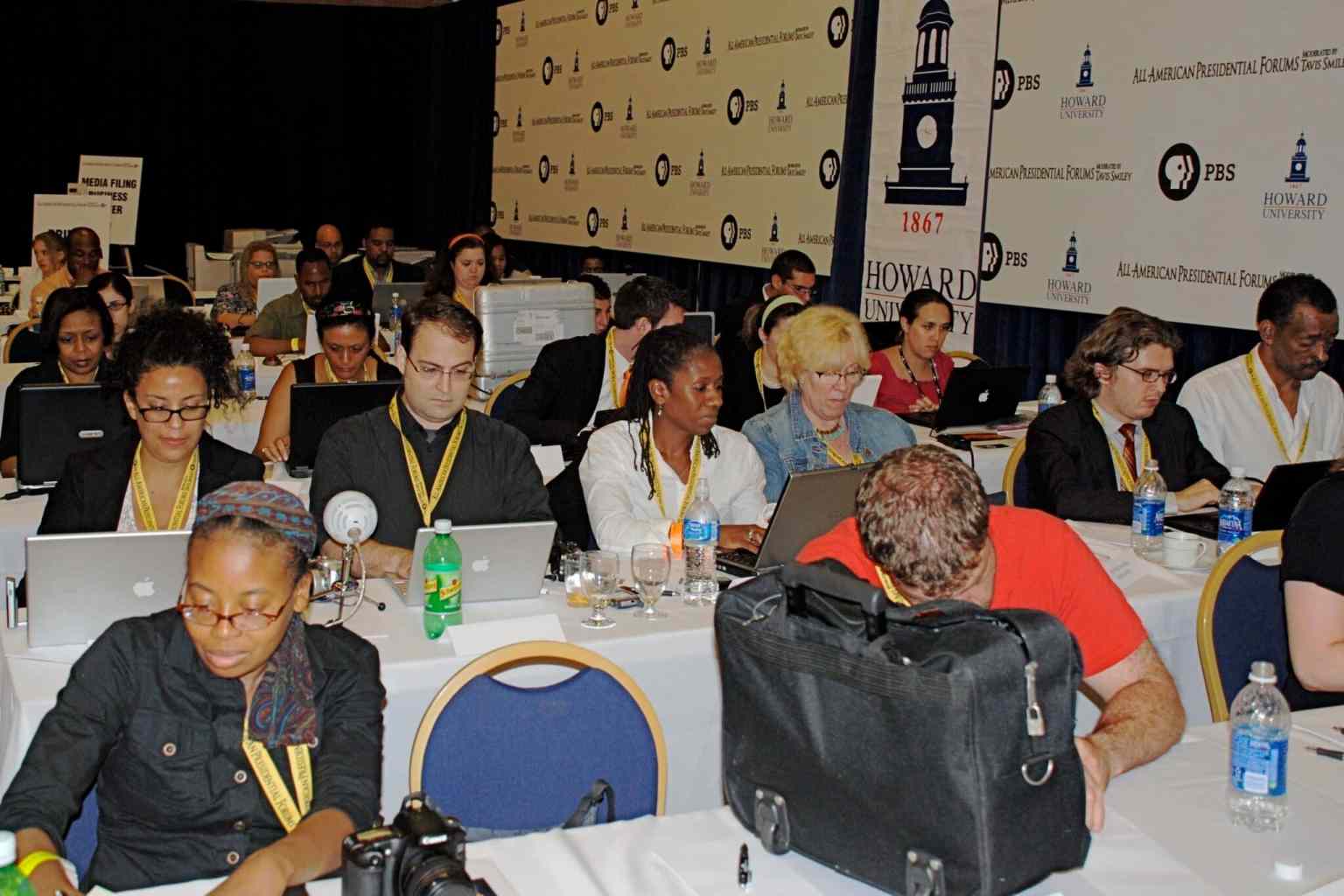
PBS hired Cox and the Media Bloggers Association to administer blogger credentials for its 2007 All-American Presidential Forums. The Democratic forum was held at Howard University and the Republican forum at Morgan State University. Cox also managed blogger credentialing for presidential-candidate appearances organized by the American Society of Newspaper Editors, for Gannett’s annual shareholder meetings and for other national events.
Courts, Civic Education and Press Freedom
Cox’s work through the Justice and Journalism conferences led to a sustained relationship with U.S. District Judge D. Brock Hornby of Maine. Hornby introduced Cox to retired Justice Sandra Day O’Connor, who wanted to explore whether blogging and other emerging media could advance her work in civic education. Cox and O’Connor ultimately discussed the subject at the September 2006 Fair and Independent Courts conference in Washington, including how online publishing might be used to reach younger audiences and support greater public understanding of government and the courts.
Cox also participated in initiatives involving O’Connor and Justice Stephen Breyer concerning judicial independence, public confidence in the courts and the financial pressures facing the federal judiciary. His role was less about public visibility than helping judges and court officials understand how independent online media worked and how it could connect legal and civic institutions with audiences outside the traditional press.
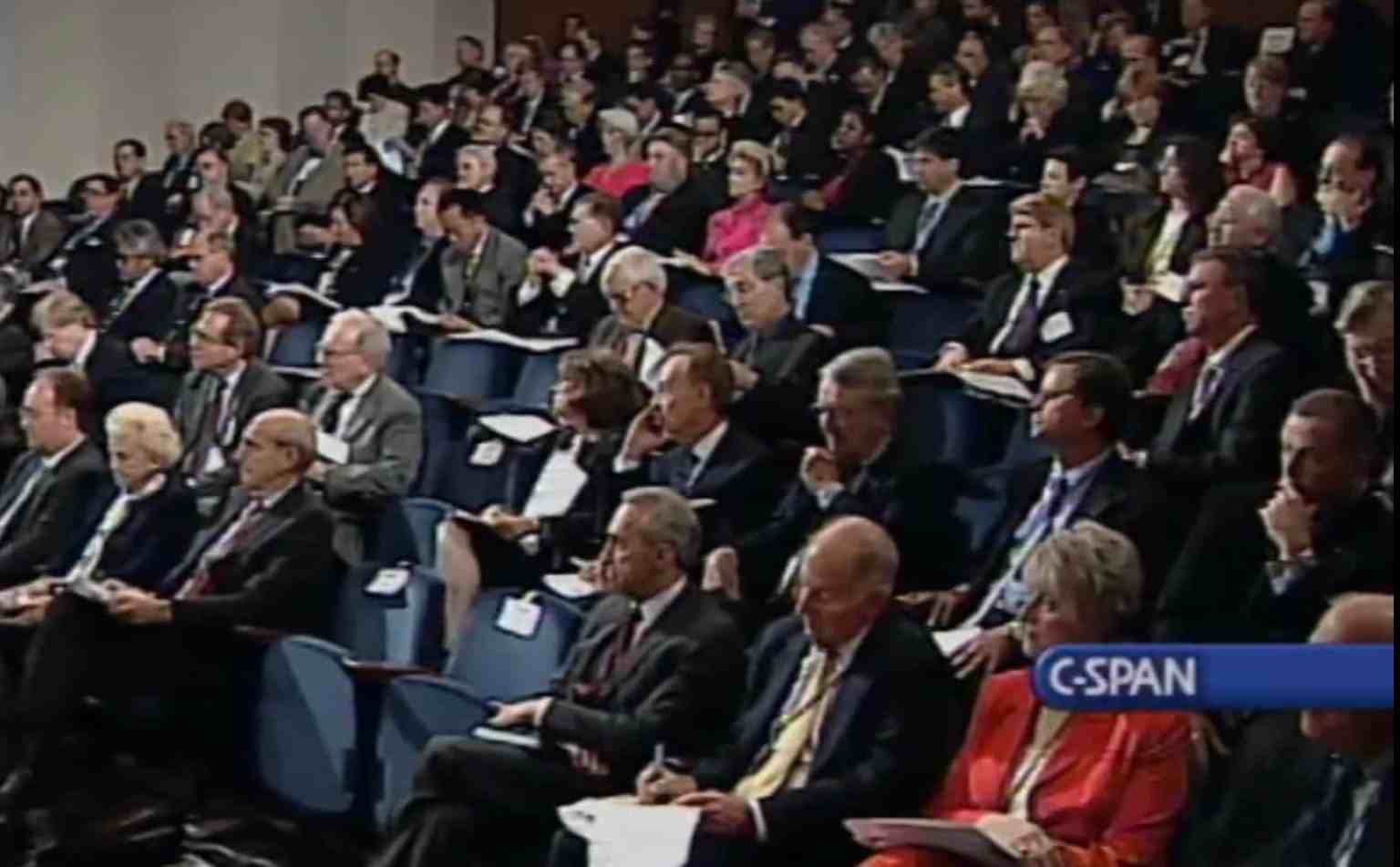
Cox worked with journalists, media lawyers and the congressional authors of proposed federal shield-law legislation on whether - and how - protections for confidential sources should extend to bloggers and other independent journalists. He argued that protection should follow the journalistic function - gathering information for dissemination to the public - rather than depend upon employment by an established media company. Defining protection by institutional affiliation, he maintained, risked creating a system uncomfortably close to licensing journalists or approved media organizations.
Advocacy and Public Speaking
Cox used his appearances before journalism organizations, courts, universities and industry groups to advocate for the legitimacy and protection of independent online journalism. Drawing on the New York Times dispute and cases involving bloggers assisted by the MBA, he warned that access to publishing technology did not protect an individual from a wealthy plaintiff, a government institution or the cost of defending even meritorious work.
In 2007, Cox was among 31 participants invited to the Rockefeller Brothers Fund’s Pocantico Conference Center for the opening retreat of the 21st Century Right to Know Project. The bipartisan initiative brought together leaders from journalism, law, academia, technology, philanthropy and government-transparency organizations to develop recommendations for the next president and Congress. Its work culminated in the 2008 report, “Moving Toward a 21st Century Right-to-Know Agenda: Recommendations to President-elect Obama and Congress.”
In 2006, Cox appeared at two Radio Television News Directors Association programs titled “Citizen Journalism: Embracing the New Power of Your Audience.” At the RTNDA convention in Las Vegas, he joined Neil Budde of Yahoo News, Laura Ling of Current TV and Adrian Van Klaveren of BBC News. At the RTNDA News and Technology Summit at New York’s Javits Convention Center, he participated in a separate discussion moderated by Merrill Brown with Jeff Jarvis and other digital-media leaders. The New York session addressed verification, professional standards, economic models and the relationship between independent contributors and established newsrooms.
At the Society of Professional Journalists’ 2007 convention in Washington, Cox delivered a standalone address, “Bloggers vs. Journalists,” concerning the convergence of independent and institutional media. He also spoke or participated in programs organized by the American Society of Newspaper Editors, the Newspaper Association of America, the National Press Club, the National Archives, the First Amendment Center, the Newseum, the Conference of Court Public Information Officers and the Poynter Institute and its News University.
Cox also participated in two programs at Middle Tennessee State University. At a March 2008 symposium whose featured participants included former Vice President Al Gore, Wikipedia founder Jimmy Wales, John Seigenthaler and legal scholar Cass Sunstein, Cox joined a panel examining journalism and the Internet. He returned in September 2009, at Seigenthaler’s invitation, for a Constitution Day panel on free speech and the Internet.
Cox appeared as a guest speaker, panelist or event participant at Harvard Law School, Stanford Law School, the Harvard Kennedy School, Columbia University, the University of Pennsylvania, Penn State, Northwestern University’s Medill School of Journalism, the University of Southern California’s Annenberg School, the University of North Carolina at Chapel Hill, the University of Miami, the National Judicial College at the University of Nevada, Reno, and other academic institutions.
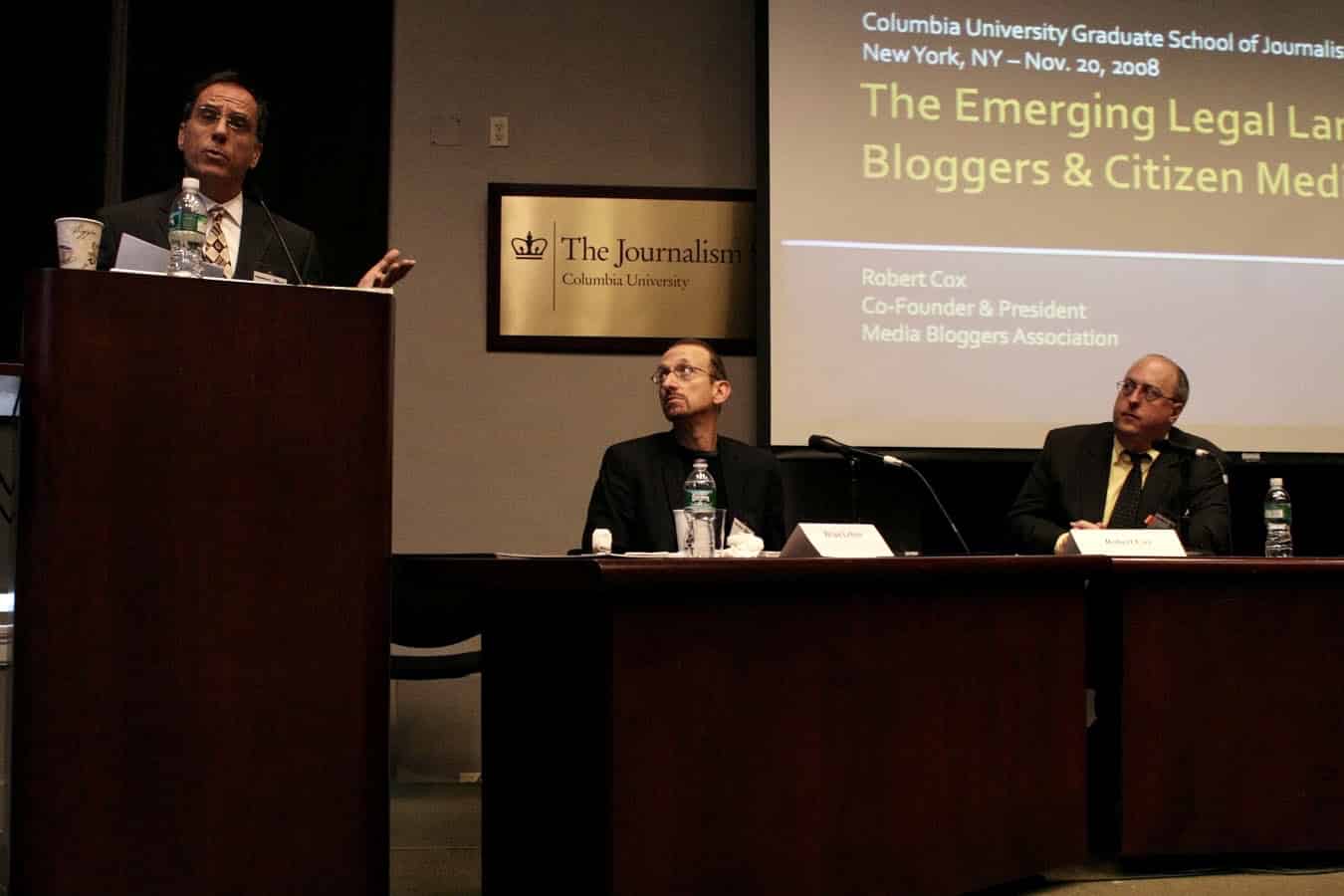
A separate appearance at Penn State led a New York Daily News editor to commission Cox’s October 2008 opinion article, “Bloggers Must Learn a New World Order Too.”
International and National Media Work
Cox received international recognition for organizing the Media Bloggers Association’s Tsunami Video Hosting Initiative following the December 2004 Indian Ocean tsunami. Before YouTube became widely available, the initiative aggregated and distributed millions of streams of eyewitness video recorded throughout the affected region.
After King Gyanendra assumed direct power in Nepal and imposed restrictions on the press, Cox created Radio Free Nepal as a platform for reports, photographs and video smuggled out of the country. Contributors published anonymously because of the threat of retaliation. The project was nominated for several international awards, including the Reporters Without Borders Freedom Blog Award, and was featured in the organization’s Handbook for Bloggers and Cyber-Dissidents.
Cox undertook related work involving Afghanistan, Iran, Iraq and China and organized the first Anoniblogging Conference at Vanderbilt University to examine methods of protecting writers and distributing information under repressive governments.
Cox organized BlogNashville in 2005, a major international gathering devoted to blogging. The conference brought together leading figures in the emerging world of online media for discussions about journalism, technology, politics, business and the future of publishing.
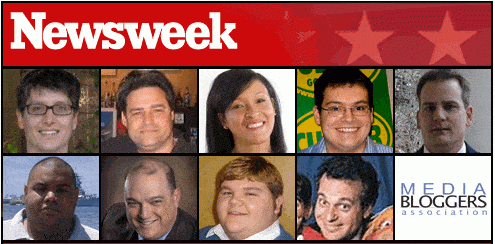
During the 2007-08 presidential campaign, Cox organized and operated The Ruckus, a partnership between the Media Bloggers Association and Newsweek.com. The project brought together nine MBA-member political bloggers from differing perspectives on a shared national platform, offering Newsweek readers a single place to follow independent reporting and commentary from around the country and from key primary states. Like the MBA’s credentialing work, The Ruckus created a practical structure through which established media could work with independent publishers without eliminating their individual voices.
Cox was a regular contributor to The Washington Examiner’s opinion pages and has written for or contributed to Newsweek, BusinessWeek, USA Today, Congressional Quarterly, the Fort Worth Star-Telegram, the San Francisco Chronicle, the San Francisco Examiner, MSNBC, PBS, the New York Daily News and the Associated Press.
He has appeared on the BBC, NPR, Fox News, MSNBC, CNBC and CBS Radio and has been profiled or quoted by The New York Times, The Wall Street Journal, The Washington Post, ABC News, Reuters, the New York Daily News and numerous other publications.
In 2006, Cox was nominated for the American Bar Association’s Silver Gavel Award for “What America Should Share with the World: Justice Holmes’ Dissent in Abrams v. United States and the Marketplace of Ideas,” published by the Fort Worth Star-Telegram.
The Turn Toward Hyperlocal Journalism
Over time, the media landscape changed. Many of the most accomplished early bloggers joined established news organizations, while blogging dispersed into social media and other forms of online publishing. At the same time, demand for free legal and institutional assistance grew far beyond what a small membership organization could sustainably provide.
Through that experience, Cox came to believe that the greatest unmet need in American journalism was at the local level. Major news organizations retained lawyers, institutional support and financial resources to defend their reporting. Independent publishers and small community newspapers increasingly operated without those protections, even as decades of disruption to the media economy weakened local journalism across the country.
Cox decided to apply what he had learned nationally to building a durable model for hyperlocal reporting. In 2008, he founded Talk of the Sound, initially focused on New Rochelle and later expanding its coverage across the Sound Shore communities of Westchester County.
As Talk of the Sound grew, Cox gradually stepped away from his national role with the Media Bloggers Association and devoted himself to reporting on the local institutions and public officials whose decisions most directly affect their communities. Talk of the Sound became a widely read and influential independent source of news in Westchester and a regular source for regional and national news organizations.
The shift did not end Cox’s work with courts or press access; it changed his role. Rather than running a national organization on behalf of other independent publishers, he became a practitioner. He continued covering proceedings in New Rochelle and White Plains city courts, Westchester County Court, the New York State Supreme Court and federal court, including federal trials in Brooklyn. The experience he had gained negotiating access and helping legal institutions understand independent online journalism now informed his daily reporting from inside the courts.
The discretion that helped Cox build relationships with national institutions became equally important in his local reporting. Public officials, employees and other sources came to trust that he would distinguish between information that could be published and confidences that had to be protected. That discipline became central to his investigative work.
Investigative and Public-Interest Reporting
For nearly two decades, Cox has practiced public-interest investigative journalism focused on government accountability. Using public records, Freedom of Information Law litigation, open-meetings enforcement, ethics complaints and other formal oversight mechanisms, his reporting has exposed corruption, misconduct, conflicts of interest and failures of public administration.
Cox’s reporting has led to investigations by the U.S. Attorney’s Office, the Westchester County District Attorney’s Office and other federal, state and local authorities. It has contributed to criminal convictions, including the federal imprisonment of a senior school-district official, and to the removal or departure of numerous public employees.
His reporting on New Rochelle government led to a District Attorney’s Office investigation of the mayor in 2022 and to a criminal investigation into alleged corruption at City Hall. He has filed two Article 78 proceedings arising from a total of 25 Freedom of Information Law requests concerning New Rochelle governmental bodies.
Cox’s reporting also led to an audit of New Rochelle by the Office of the New York State Comptroller and an investigation by the New York State Inspector General. His extensive coverage of New York’s Community Choice Aggregation program documented its financial consequences for consumers before Department of Public Service staff recommended discontinuing the program statewide.
His reporting has frequently examined subjects overlooked by larger media organizations: municipal contracting, school safety, public corruption, government secrecy, police conduct, land use, environmental programs, campaign finance and the expenditure of public money. Across those subjects, his work has consistently sought to transform information into accountability through reporting, public-records litigation and the formal processes available to citizens.
Civic Work in New Rochelle
Cox served for six years on the City School District of New Rochelle’s District-Wide Health and Safety Committee. As co-chair alongside the New Rochelle city manager, he had oversight responsibility for safety and maintenance across 10 schools and construction undertaken through a $106.5 million bond, then the largest capital program in the city’s history.
He helped develop recommendations for the school district’s Citizens Advisory Committee on budget and finance and worked with school officials, board members, community organizations and residents on transparency, facilities, student safety and financial accountability.
Cox also helped initiate a year-long observance of the 50th anniversary of the Lincoln School desegregation case. He edited and published an eight-part history of the litigation and worked with the local NAACP, Black clergy, community leaders and school officials to bring greater attention to that history.
For many years, Cox was involved in youth sports, including serving as commissioner of New Rochelle’s AYSO soccer program. He expanded the program and developed accommodations for children with disabilities, English-language learners, religiously observant families and others whose needs had not been adequately served.
He has donated his time and technical expertise to community organizations including the New Rochelle Branch of the NAACP, the Chamber of Commerce of New Rochelle and Habitat for Humanity of Westchester. He also served as a volunteer instructor at the New Rochelle Public Library, teaching social media and web publishing.
Earlier Career and Education
Before his work in journalism, Cox was a bond trader for two European banks and a foreign-exchange trader at Citibank. After earning his M.B.A. from the University of Chicago Graduate School of Business, now the Booth School of Business, he worked in strategy consulting independently and with Booz Allen & Hamilton.
His clients included Reuters, Citibank, Merrill Lynch, the Stock Exchange of Thailand, the Bank of Montreal, Fannie Mae and the Thai Ministry of Finance. He later founded a venture-financed technology company providing voice-to-text services to major corporations.
Cox earned his B.A. from the University of Notre Dame.
Born in Washington, D.C., he was raised in Alexandria, Virginia, and in Tarrytown and Irvington, New York. He lived in Chicago and spent three decades in New Rochelle before moving to Dublin. He and his wife, a retired special educator and former Columbia University professor, have four adult children.
Cox is a member of the New York Press Club.
Publications
Contact
Robert Cox
+353 89 972 0669 (WhatsApp available)
Member, New York Press Club
Talk of the Sound
Website | X | Instagram | YouTube | Facebook